
Codium adhaerens
Codium adhaerens
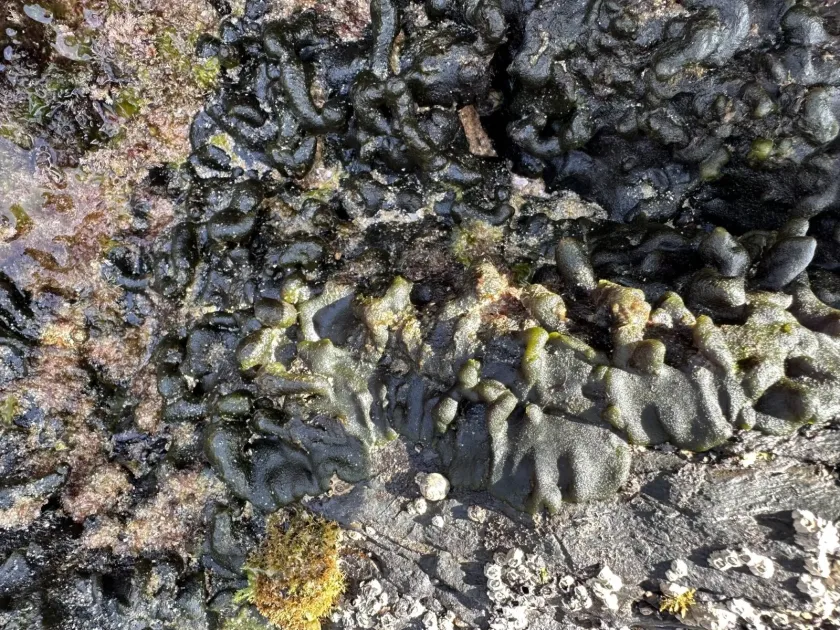
Description
Growing requirements
Codium adhaerens belongs to the Codiaceae family. It is a distinct species of green seaweed characterized by its ability to adhere tightly to rock surfaces, forming spongy, mat-like structures that withstand strong tidal currents.
The species is primarily found in intertidal and subtidal zones of temperate and warm seas. Its biological structure, consisting of a complex network of siphonous filaments, allows it to survive periodic exposure to air and intense solar radiation during low tides.
Optimal growth depends on well-oxygenated water with stable salinity levels. As a photosynthetic organism, it thrives in environments where sunlight can penetrate the shallow waters of the coastline effectively.
The resilience of Codium adhaerens is linked to its morphological adaptation, which minimizes surface area exposed to mechanical stress. This makes it a dominant colonizer on rocky shorelines within its native range.
Temperature fluctuations are naturally tolerated by this species, though extreme, prolonged heat stress can impact its metabolic rate. It requires clean, nutrient-rich marine environments to maintain its health and biomass production.
Yield
Commercial interest in Codium adhaerens is driven by its nutritional profile and chemical properties. It is harvested for use in the food industry, where it is appreciated for its unique texture and mineral density.
The seaweed serves as a raw material for extracting various bioactive compounds. These include polysaccharides and antioxidants that are highly sought after by the cosmetic industry for high-end skincare formulations.
Research into aquaculture techniques for Codium species aims to move from wild harvesting to controlled cultivation. This approach ensures a sustainable supply of high-quality biomass while protecting natural reef ecosystems.
Animal feed research has identified the potential of Codium extracts to serve as supplements for aquaculture and terrestrial livestock. This contributes to better health outcomes and growth performance in farmed animals.
Post-harvest processing often involves cleaning, drying, and milling the biomass into powders or extracts. These products act as natural stabilizers or nutrient enhancers in a wide range of commercial applications.
Main diseases and pests
Pollution is the primary threat to the sustainability of Codium adhaerens populations. Heavy metals and chemical runoffs can be bioaccumulated, rendering the seaweed unsuitable for dietary or medical purposes.
Climate change poses a significant risk to the species through rising ocean temperatures and altered sea levels. These changes can disrupt the natural reproductive cycles and favor the spread of invasive species.
Coastal development projects often lead to the loss of natural rocky habitats. This habitat destruction restricts the geographic range of the species and negatively impacts the overall availability of the resource.
Natural predation by echinoderms, such as sea urchins, can cause localized declines in biomass. In areas where urchin populations are high, the grazing pressure can be too intense for the seaweed to recover effectively.
Pathogenic outbreaks, often associated with eutrophication, pose a threat to colony health. These diseases manifest as tissue necrosis, which can spread rapidly throughout the colony in stagnant or polluted water conditions.