
Codium bursa
Codium bursa
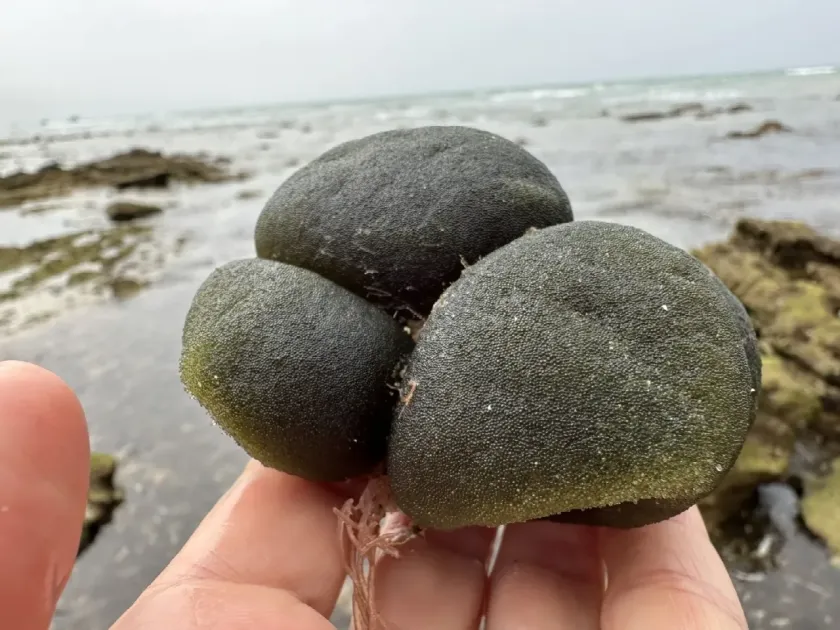
Description
Growing requirements
Codium bursa, a member of the Codiaceae family, is a distinct marine green alga recognizable by its characteristic hollow, spherical body. It is native to the Mediterranean Sea and parts of the Atlantic, thriving in moderate temperatures.
This organism is categorized as a siphonous alga, composed of a complex network of intertwined filaments that form its sturdy, porous structure. It typically anchors itself to rocky substrates in clear, shallow waters where sunlight is abundant for photosynthesis.
The environmental requirements for Codium bursa are stringent, emphasizing the need for pristine water quality and stable salinity. Changes in water chemistry or temperature can severely impact the growth and survival rates of these colonies.
Unlike conventional land crops, this seaweed does not rely on soil nutrients; instead, it absorbs vital minerals directly from the surrounding seawater through its expansive filamentous structure.
Maintaining a healthy habitat for Codium bursa is crucial for local marine ecosystems, as these spherical algae provide essential shelter for various species of small marine invertebrates.
Harvesting
Harvesting Codium bursa requires a sustainable approach due to the slow growth rate of the species. Collectors often target specific zones to ensure that the population density remains unaffected by human activity.
The collection process must be handled with care, as physical damage to the hollow sphere causes the structure to degrade quickly, potentially leading to the death of the specimen.
In modern aquaculture trials, researchers focus on controlled cultivation techniques that allow for periodic harvesting of biomass without disrupting the reproductive cycle of the algae.
Post-harvest management involves cleaning the material of epiphytes and debris, followed by drying or preservation methods that maintain the integrity of the bioactive compounds found within the tissues.
Ongoing monitoring of the harvested areas is a standard practice, ensuring that the ecological balance is maintained and that the population has sufficient time for natural regeneration.