
Paxistima canbyi
Paxistima canbyi
Description
Growing requirements
Paxistima canbyi, commonly known as Canby's mountain lover, is a low-growing evergreen shrub belonging to the Celastraceae family. Native to the Appalachian region of North America, this species is well-adapted to rocky, forested terrain and thrives in cool, temperate environments.
The plant is highly valued for its adaptability, preferring well-drained, acidic soil rich in organic matter. Its hardiness allows it to survive in various climates, though it performs optimally when protected from severe desiccation in both summer heat and winter winds.
Regarding light conditions, Paxistima canbyi prefers partial shade or dappled sunlight. While it can tolerate more exposure, adequate soil moisture is essential to prevent leaf scorch. It is a slow-to-moderate grower, making it an excellent choice for long-term landscape planning.
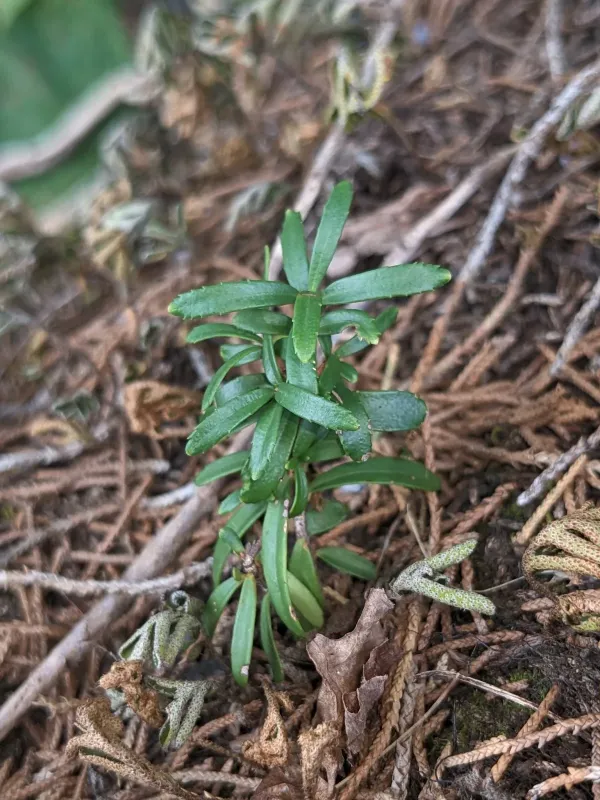
Botanically, the plant features small, lanceolate, serrated leaves that form a dense, spreading mat rarely exceeding 12 to 15 inches in height. The foliage changes from dark green in summer to a rich bronze or reddish-purple hue during the winter months.
In terms of agricultural and horticultural use, this species is a top-tier choice for rock gardens, ground cover for slopes, and low hedging. Its compact growth habit and evergreen nature provide year-round interest and help stabilize soil on inclined surfaces.
Main diseases and pests
Paxistima canbyi is relatively free of major pest and disease problems, but it is susceptible to root rot if planted in waterlogged soil. Ensuring perfect drainage is the most effective preventative measure against soil-borne fungal pathogens.
Occasionally, the shrub may be attacked by scale insects or spider mites, particularly in hot and dry climates. Integrated pest management strategies, such as using horticultural oils or systemic insecticides, can be employed if an infestation is detected early.
Proper air circulation is crucial for maintaining plant health. If the shrub is planted in highly humid conditions, avoid overcrowding and ensure that the area around the base is kept clean of rotting leaves to discourage fungal growth.
Nutrient deficiencies are rare if the soil pH is kept within the acidic range (5.0–6.5). If signs of chlorosis appear, an application of acidic fertilizer for ericaceous plants can help restore the natural deep green color of the foliage.
Regular monitoring during the growing season allows for early intervention. By maintaining moderate moisture levels and avoiding heavy chemical interference, the gardener ensures that this durable evergreen shrub thrives for many years with minimal effort.