
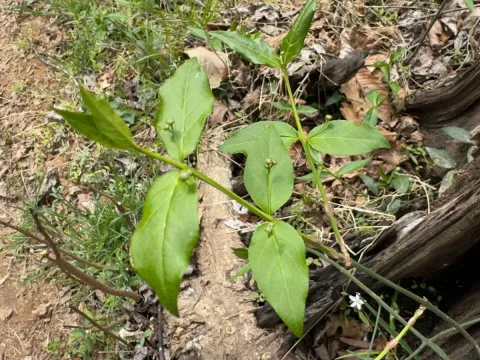
American strawberry bush
Euonymus americanus
The American strawberry bush (Euonymus americanus) belongs to the Celastraceae family. It is a deciduous shrub naturally occurring in the eastern United States, typically found in wooded areas and stream banks.
What the section contains
American strawberry bush
This species thrives in moist, rich soils and is particularly well-adapted to partial shade environments. Direct sunlight can scorch the foliage unless the moisture levels in the soil are consistently high.
The soil should be well-drained but have good water-retention capacity, ideally containing plenty of organic matter. It prefers slightly acidic to neutral soil pH to maintain healthy growth and vibrant fruit coloration.
Cultivation practices involve regular mulching around the base of the plant to keep the roots cool and retain soil moisture. Pruning should be done carefully to maintain the natural, spreading habit of the shrub.
The plant is highly valued for its unique bright red, warty seed pods, often resembling strawberries, which makes it a preferred choice for native gardens and decorative woodland landscapes.
Spider mites are the most common pests affecting this shrub, especially during hot and dry summer months. High humidity and regular watering can help prevent severe infestations of these tiny pests.
Powdery mildew is a significant fungal threat, characterized by white spots on the leaves. It usually occurs when there is poor air circulation or overcrowding in the planting area.
Aphids tend to attack new growth in the spring. If left untreated, they can cause curled leaves and stunted development, requiring prompt intervention with soap-based insecticidal sprays.
Scale insects can also pose a problem by attaching to the bark. They extract plant sap and can weaken the shrub over time, making regular inspection of the stems essential for plant health.
To minimize disease impact, gardeners should avoid overhead watering, which creates the damp conditions that promote fungal spore germination on the leaves.