
Vasconcellea
Vasconcellea
Vasconcellea, commonly known as mountain papaya or highland papaya, belongs to the Caricaceae family. These plants are native to the Andean regions and are recognized for their superior adaptability to cooler, high-altitude climates compared to the lowland papaya.
What the section contains


Vasconcellea
The cultivation of Vasconcellea requires well-drained, fertile soil with a slightly acidic to neutral pH level. They are sensitive to waterlogging, which necessitates careful site selection and the preparation of raised beds or good soil amendments to ensure proper drainage.
Regarding climatic needs, these plants prefer moderate temperatures and plenty of sunlight. While they are more cold-hardy than other tropical fruits, they should be protected from harsh, freezing winds and prolonged periods of temperatures near zero.
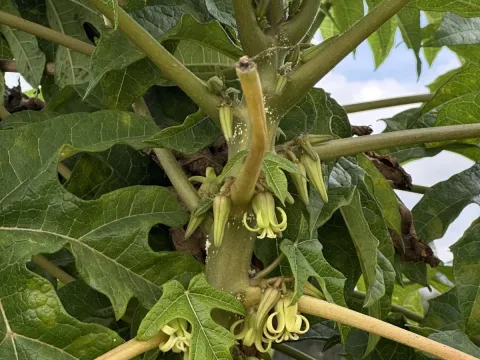
Botanically, these plants can grow as shrubs or small trees, characterized by palmate leaves and fragrant, edible fruits. The species vary in size and fruit quality, with some being cultivated for their sweet, aromatic flesh which is often processed into preserves.
The agricultural potential of Vasconcellea is significant in niche markets. Beyond fresh consumption, the fruits are highly valued for their high content of enzymes, including papain, which contributes to their medicinal and culinary applications worldwide.
The most common threats to Vasconcellea health include fungal infections of the roots, primarily caused by excessive soil moisture and poor drainage systems that promote anaerobic conditions.
Pest pressure often stems from spider mites and whiteflies, which thrive in dry environments and can quickly infest the foliage, causing chlorosis and reduced photosynthesis.
Aphids are another major concern, as they not only damage the plant directly by feeding on sap but also serve as vectors for systemic viruses that can stunt growth and ruin fruit quality.
Effective management involves an integrated pest management (IPM) approach, emphasizing preventive measures such as maintaining optimal plant spacing to ensure adequate air movement.
Regular monitoring for early signs of distress is essential, along with the application of appropriate organic or biological pesticides to minimize the use of harsh chemicals on the fruits.