
Vasconcellea cauliflora
Vasconcellea cauliflora
Description
Sowing dates
Vasconcellea cauliflora, a member of the Caricaceae family, is propagated primarily by seeds, which require specific conditions for germination.
Seeds should be sown in a sterile, well-draining potting mix, maintained at a consistent temperature of 25–28°C to ensure successful sprouting.
High humidity levels are essential during the germination phase to prevent the seeds from drying out before they can establish roots.
Seedlings should be kept in a protected environment with bright, indirect light to encourage healthy development and avoid leggy stems.
Transplanting into individual containers is recommended once the first true leaves have matured, providing the root system enough space to grow.
Growing requirements
This species is strictly tropical and thrives in conditions that avoid any exposure to temperatures below 10°C, which can be fatal.
The soil must be fertile and slightly acidic, but most importantly, it must offer excellent drainage to prevent any risk of root rot.
Regular irrigation is necessary to keep the soil moisture levels consistent, avoiding both drought stress and waterlogged conditions.
High light intensity is required for optimal photosynthesis; however, protection from harsh, direct afternoon sun is often beneficial.
Wind protection is vital because the plant has a relatively soft, succulent stem structure that can easily be damaged by strong gusts.
Yield
The economic value of this crop lies in its fruits, which are rich in papain and other proteolytic enzymes used in various industries.
Yields are highly dependent on the plant’s health and the availability of balanced nutrients during the fruit-set and development stages.
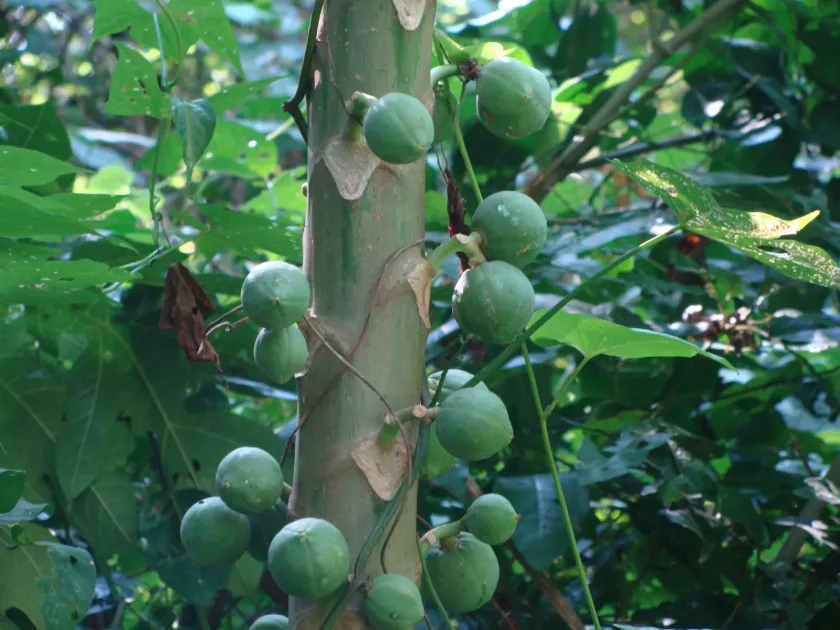
The cauliflorous nature of the plant, where fruits grow directly from the trunk, makes harvesting distinctive compared to other fruit trees.
With proper agricultural management, the plant can produce fruit for several consecutive years, offering a reliable harvest cycle.
Optimal yields are achieved when the plant is shielded from pests and pathogens, ensuring that the energy is directed toward fruit production.
Main diseases and pests
Common pests include spider mites and mealybugs, which thrive in indoor or greenhouse environments if the air is too dry.
Root rot, caused by various fungal pathogens, is the most common disease linked to poor drainage or overwatering practices.
Virus transmission is a concern in managed crops, often spread by sap-sucking insects that inhabit the foliage of the plant.
Preventative measures include maintaining excellent hygiene in the growing area and using sterilized tools for any necessary pruning.
Biological control agents are preferred over heavy chemical pesticides to maintain the biological balance within the crop environment.
Harvesting
Harvesting is performed by hand when the fruits reach the appropriate stage of maturity, characterized by changes in skin coloration.
Harvesters must wear protective gloves, as the plant produces a caustic latex that can cause severe skin irritation upon contact.
Immediate post-harvest processing is recommended to prevent the degradation of enzymes contained within the latex and fruit pulp.
The fruit should be handled with extreme care, as physical impact can easily bruise the surface, accelerating spoilage and quality loss.
Storage should take place in a cool, ventilated area to prolong the freshness of the harvested produce before industrial extraction begins.