
Vasconcellea pentagona
Vasconcellea pentagona
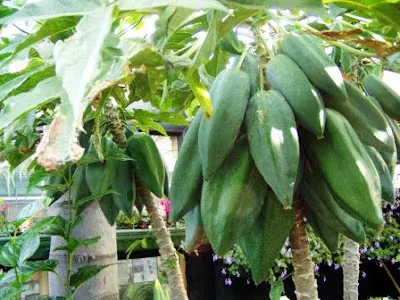
Description
Sowing dates
Vasconcellea pentagona, commonly known as babaco or mountain papaya, is predominantly propagated through vegetative cuttings, as its fruits are parthenocarpic and seedless.
Cuttings are selected from healthy, mature branches and allowed to dry for several days before being planted in a well-draining, sterile, and light sandy medium.
Rooting success depends heavily on maintaining a stable temperature between 20 and 24 degrees Celsius and avoiding direct moisture contact on the stems to prevent decay.
This species, belonging to the Caricaceae family, does not produce viable seeds for commercial planting, making clone selection the standard practice for agricultural operations.
Transplanting to permanent sites occurs once the root system is well-developed, ensuring the plant is positioned in a location with protection from strong winds and intense light.
Growing requirements
The plant thrives in cool to temperate climates, showing significant sensitivity to extreme heat and prolonged freezing temperatures, which can damage the soft tissues.
Soil requirements are strict: the plant needs highly porous, well-draining soil because the roots are extremely susceptible to hypoxia and fungal rot if kept waterlogged.
Adequate ventilation is crucial, especially in greenhouse environments, to manage humidity levels and prevent the development of opportunistic fungal infections on the leaves.
Nutrition programs should focus on providing essential micronutrients alongside balanced NPK ratios, emphasizing potassium during the fruit development stage for optimal quality.
Regular irrigation is necessary, but the grower must ensure that the substrate surface dries out slightly between watering sessions to support healthy respiration of the root system.
Yield
A mature Vasconcellea pentagona plant can produce between 30 and 60 fruits per season, showcasing high productivity compared to other mountain-adapted fruit species.
The fruit features a unique five-angled shape and is entirely seedless, which is highly appreciated by consumers and processors for its ease of preparation and consumption.
Productivity is highest in the first three years of the plant's life, after which the vigor of the plant often declines, necessitating periodic replacement of the stock.
The fruit possesses a complex, aromatic flavor profile reminiscent of strawberry, pineapple, and kiwi, making it a valuable addition to exotic fruit markets.
Industrial applications include fresh produce, natural juices, and enzymatic extracts utilized in the food industry for natural meat tenderization and culinary preparations.
Main diseases and pests
Fungal pathogens such as Phytophthora are the most significant threats to babaco, often causing rapid decline and death of the plant due to improper soil moisture management.
Pests including aphids, whiteflies, and spider mites can infest the foliage, especially in protected environments where temperatures are consistently high and humidity is low.
Viral infections can cause mosaic patterns on leaves and growth retardation, highlighting the importance of using virus-free mother plants for propagation.
Preventative measures involve strict sanitation, regular inspection of the underside of leaves, and the removal of any diseased plant material from the orchard area.
- Use of disease-free rooting substrates.
- Regular implementation of integrated pest management strategies.
- Sanitation of pruning tools to prevent cross-contamination.
Harvesting
Harvesting is typically done manually, carefully cutting the fruit from the stem once it shifts from a dark green to a bright yellow-gold hue indicative of maturity.
The fruits are highly perishable and prone to mechanical bruising, requiring gentle handling during picking, sorting, and packaging to maintain their commercial value.
Post-harvest conditioning involves keeping the fruit in a cool, ventilated place, which allows the flesh to soften and reach its peak sugar-acid balance before consumption.
Commercial transport should be carried out in single-layer crates to prevent the weight of the fruit from damaging the delicate exterior skin and soft internal tissue.
Timing the harvest is critical, as fruits left too long on the plant may become overly soft, making them difficult to transport even over short distances for local markets.