
Oak-leaved papaya
Vasconcellea quercifolia
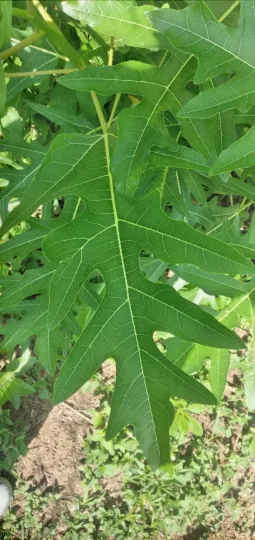
Description
Sowing dates
Propagation of Vasconcellea quercifolia is typically achieved through seeds, which require consistent warmth to germinate effectively.
Seeds should be sown in a light, well-draining medium. Maintaining steady moisture is crucial for successful emergence without causing rot.
Seedlings are sensitive to root disturbance. It is recommended to use individual pots to facilitate easier transplanting later in the process.
Once seedlings have developed several true leaves, they should be hardened off to adapt to outdoor conditions before being planted in the field.
Proper spacing is vital for the growth of the species, ensuring that each plant receives adequate light and airflow to thrive.
Growing requirements
Belonging to the Caricaceae family, the oak-leaved papaya is significantly more tolerant of cooler climates than the common papaya (Carica papaya).
The plant thrives in sunny locations with shelter from strong winds. Full sun exposure is essential for vigorous growth and fruit development.
Soil requirements include excellent drainage to prevent root issues. A slightly acidic to neutral soil pH is considered optimal for this crop.
Watering should be balanced. While the plant appreciates consistent moisture during the growing season, it is prone to rot in waterlogged soils.
Fertilization with a balanced NPK fertilizer during the active growing season significantly improves the overall health and yield of the plant.
Yield
The fruits are small, ribbed, and often have a distinct flavor profile that makes them highly suitable for jams, preserves, and culinary use.
Under optimal conditions, the plant begins to bear fruit within two to three years, providing a consistent supply if conditions remain stable.
Yield is highly dependent on light intensity and climate. Plants grown in greenhouses often exhibit more uniform productivity compared to outdoor crops.
The fruit's unique texture and flavor make it a valuable crop for niche markets interested in diverse and exotic produce.
Beyond the fruit, the plant produces latex which is rich in papain, an enzyme widely utilized in both food and medical industries.
Main diseases and pests
Root rot is the most common threat, usually triggered by excessive irrigation or poor soil drainage, which promotes fungal infections.
Spider mites are common pests that thrive in dry air, particularly in greenhouse environments. Frequent monitoring is necessary.
Mealybugs can also infest the plant, sucking sap and weakening it. Targeted insecticide applications are often required for control.
Nematodes can pose a significant risk to the root system. Using sterilized potting soil can help prevent infestations in controlled environments.
Maintaining proper hygiene by removing dead or diseased plant material prevents the spread of pathogens throughout the cultivation area.
Harvesting
Harvesting is typically performed by hand once the fruit reaches the desired color, indicating its technical or physiological maturity.
Careful handling is required as the fruit skin can be delicate. Minimizing physical damage ensures a longer shelf life after harvest.
Post-harvest processing is recommended to occur promptly, as fresh fruits have a relatively short shelf life when left at room temperature.
The removal of residual latex from the fruit surface is an important step before culinary processing to improve both taste and safety.
Storage in a cool, ventilated environment can delay ripening and maintain fruit quality for several days prior to final processing.