
Mountain papaya
Vasconcellea pubescens
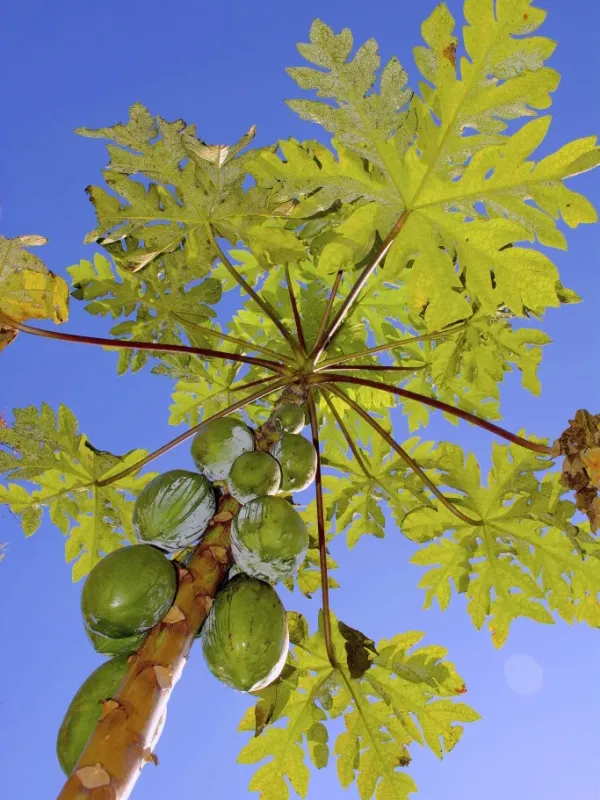
Description
Sowing dates
The mountain papaya, or Vasconcellea pubescens, is typically propagated from seeds. Sowing should be carried out in a well-draining, nutrient-rich substrate, maintaining a consistent temperature between 20 and 25 degrees Celsius.
Germination is often slow and erratic, so pre-treatment of seeds, such as soaking in warm water for 24 hours, is recommended to improve the success rate of sprouting.
Once the seedlings develop a few sets of true leaves, they should be carefully transplanted into individual containers. The root system is delicate, so minimal disturbance is crucial during this stage.
Gradual acclimatization to outdoor conditions is necessary before moving the plants to their final location, ensuring they are protected from strong winds and intense midday sun.
The optimal time for transplanting to the field is during the early spring season, provided that all risk of frost has passed, as young plants are particularly sensitive to cold snaps.
Growing requirements
Belonging to the Caricaceae family, this species is native to the Andean regions. Unlike tropical papaya, it thrives in cooler, high-altitude climates and can tolerate minor temperature dips.
The plant requires plenty of sunlight and a well-ventilated space to prevent fungal issues. It prefers loamy or sandy-loam soils with a slightly acidic to neutral pH level.
Irrigation must be managed carefully; while the plant requires consistent moisture for optimal fruit production, stagnant water in the root zone must be strictly avoided to prevent decay.
Incorporating organic mulch around the base of the plant helps maintain consistent soil moisture and suppresses weeds, which can otherwise compete for nutrients.
Regular fertilization with balanced nutrients, focusing on potassium during the fruiting phase, significantly enhances the vigor of the tree and the quality of the harvest.
Yield
Mountain papaya fruits are known for their distinct aroma and culinary versatility. They are commonly processed into jams, jellies, and refreshing beverages due to their firm texture.
Trees typically reach reproductive age within two to three years. The yield is determined by the environmental conditions, particularly the availability of light and protection from harsh weather.
Harvesting is performed when the fruits turn a uniform yellow color, indicating they are ready for picking. They can be harvested slightly early if destined for transport.
Proper pruning after the harvest season encourages new growth and maintains the structural integrity of the tree, which contributes to higher production in subsequent years.
The fruits remain firm for a considerable time after harvesting, which makes this crop attractive for small-scale commercial cultivation and local market distribution.
Main diseases and pests
Root rot is the most common disease, often triggered by waterlogged soil and poor drainage, especially during periods of high humidity or excessive rainfall.
Pests such as spider mites, aphids, and whiteflies can cause significant damage to the foliage, weakening the tree and reducing its overall photosynthetic capacity.
Effective pest management involves regular monitoring and the application of biological controls, such as insecticidal soaps or neem oil, to keep populations under control.
Ensuring adequate air circulation through proper spacing and pruning is a vital cultural practice that prevents the buildup of fungal spores and pest colonies.
In cases of severe infestation or infection, targeted use of approved fungicides and pesticides can be necessary, provided that they are applied in accordance with local safety standards.