
Diastatea micrantha
Diastatea micrantha
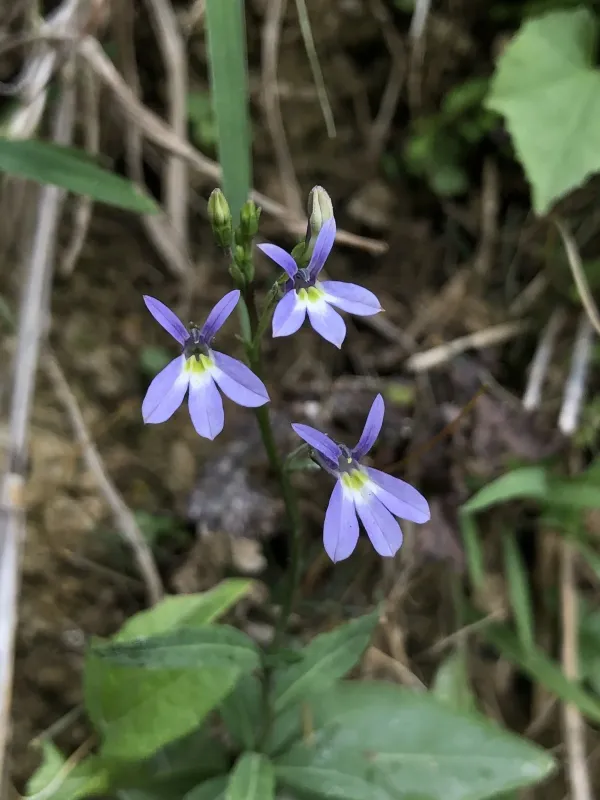
Description
Sowing dates
Diastatea micrantha belongs to the Campanulaceae family. This delicate annual plant is primarily valued for its ornamental properties and unique botanical structure, often cultivated in specialized gardens.
Sowing in open ground should be carried out when the threat of frost has completely passed. In temperate regions, this usually aligns with late spring, ensuring stable soil temperatures for germination.
The seeds of this culture are extremely small, requiring careful placement. A surface sowing technique or mixing seeds with fine sand helps ensure even distribution across the seedbed.
For indoor propagation, seeds should be started in early spring using a sterile, well-draining seed-starting mix. Adequate light is crucial during the early stages to prevent the seedlings from becoming leggy.
Transplanting requires extreme caution due to the sensitive nature of the plant's root system. It is best to transplant seedlings in the late afternoon to help them adjust to the new location without heat stress.
Growing requirements
This species thrives in well-drained, light soil that is rich in organic matter. A slightly acidic to neutral pH level is ideal for the optimal absorption of nutrients required for healthy growth.
Regarding climate, Diastatea micrantha prefers mild environments. It performs best in partial shade, as intense, direct sunlight can scorch the foliage and dry out the sensitive root zone too quickly.
Regular moisture is essential, but it must be balanced carefully. The soil should be kept consistently moist but never waterlogged, as excessive water retention often leads to physiological stress and rot.
During the growing season, a balanced, water-soluble fertilizer can be applied at low concentrations every few weeks. Over-fertilization, especially with nitrogen, should be avoided to prevent excessive vegetative growth.
Native to tropical and subtropical areas of the Americas, this plant adapts best to environments where humidity levels are moderate to high, mimicking its natural habitat.
Main diseases and pests
Root rot is the most common threat to Diastatea micrantha, often resulting from over-irrigation or heavy, compacted soil. Ensuring proper drainage is the most effective preventative measure against this issue.
Pests such as aphids and spider mites can infest the plant, particularly in sheltered or poorly ventilated areas. They feed on plant juices, weakening the stems and reducing the number of flowers produced.
Maintaining air circulation around the plants is vital for disease prevention. This practice helps to reduce humidity around the foliage and prevents the development of fungal infections like powdery mildew.
When pest control is necessary, organic insecticidal soaps or horticultural oils are preferred. These treatments are generally safer for delicate plants compared to harsh systemic chemical pesticides.
Regular inspection of the lower surfaces of the leaves is recommended, as this is where pests typically congregate before causing visible damage to the overall plant structure.