
Teesdaliopsis conferta
Teesdaliopsis conferta
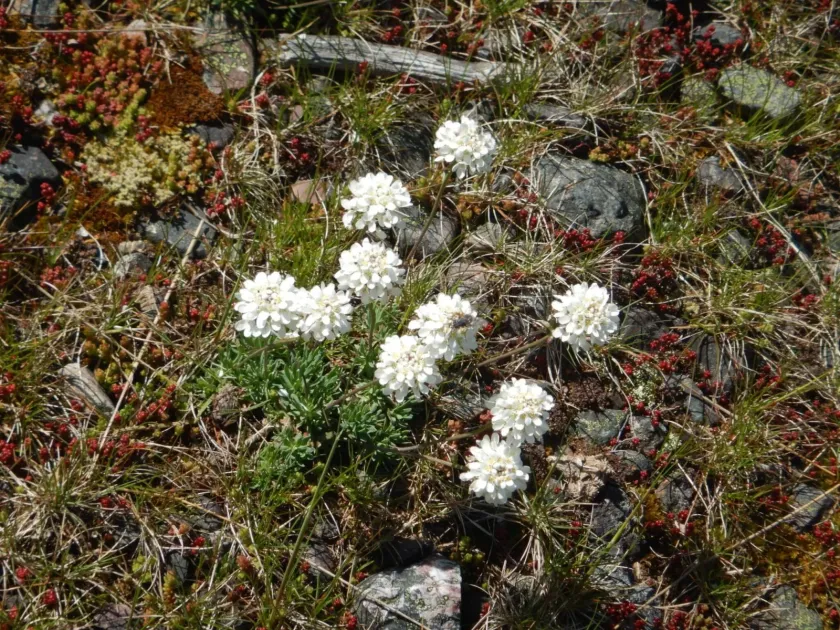
Description
Growing requirements
Teesdaliopsis conferta is a specialized perennial plant belonging to the Brassicaceae family. While not cultivated as an agricultural crop, it remains a significant taxon for conservation botany and specialized rock garden horticulture due to its rare alpine nature.
The plant originates from the high-altitude environments of the Pyrenees. Its habitat consists primarily of scree slopes and rocky crevices, which dictates its preference for extreme drainage and mineral-rich substrates rather than fertile agricultural soil.
For successful growth in non-native environments, the plant requires a strictly alkaline and stony substrate. It is highly intolerant of soil compaction or excessive organic fertilization, which can disrupt its natural metabolic balance.
Climatic requirements are stringent, favoring areas with cool summer temperatures and significant winter cold. As an alpine specialist, it relies on environmental stressors, such as high UV light exposure and wind, to maintain its compact growth form.
In terms of botanical anatomy, the species exhibits a dense, rosette-forming structure that protects its growing point from harsh mountain elements. It possesses deep, resilient roots capable of accessing moisture trapped within geological fractures.