
Virginia stock
Malcolmia maritima (L.) R. Br.
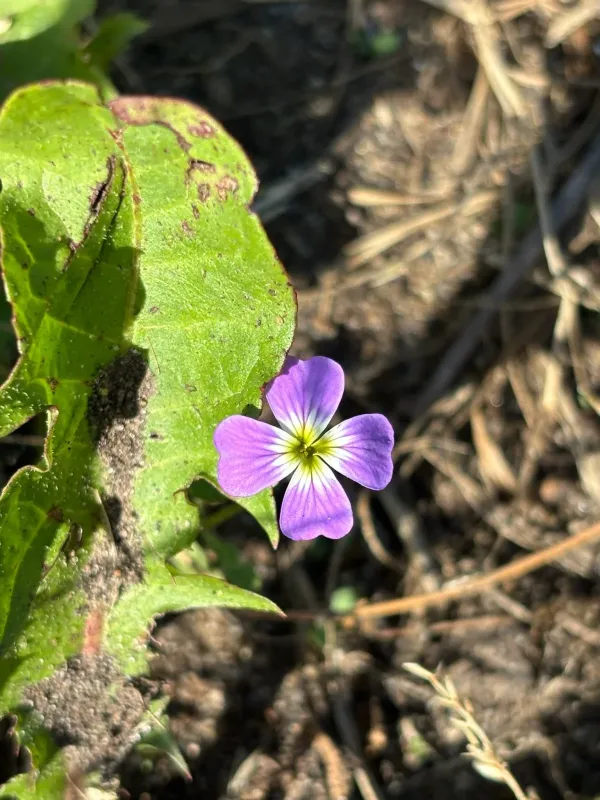
Description
Sowing dates
Virginia stock is a hardy annual that is most effectively grown by direct sowing into the garden bed. The ideal timing for sowing is early to mid-spring, once the danger of severe frost has passed and the soil has started to warm up.
For a continuous display of flowers, practitioners often use successional sowing. By planting seeds every two to three weeks, you can ensure a vibrant bloom throughout the entire summer season.
The seeds are exceptionally small and should be scattered thinly over a prepared surface. A light covering of fine soil or vermiculite is sufficient to keep them in place without inhibiting germination.
While direct sowing is preferred, indoor starting is possible in early spring. Seedlings should be grown in cool, bright conditions to prevent them from becoming leggy before they are transplanted outdoors.
Proper spacing is crucial for airflow and health. Seedlings should be thinned out to approximately 15 to 20 centimeters apart to allow each plant to reach its full potential and produce a dense, lush display.
Growing requirements
As a member of the Brassicaceae family, Virginia stock thrives in open, sunny locations. It requires at least six hours of direct sunlight daily to produce high-quality, fragrant blooms and strong stems.
The plant prefers well-drained, sandy, or light loam soils. It is native to coastal regions and is highly adaptable, though it cannot tolerate waterlogged conditions which often lead to crown rot.
Regarding moisture, Virginia stock requires consistent but moderate watering. It exhibits good drought tolerance once established, making it suitable for rock gardens or borders where water levels might fluctuate.
Temperature management is key to prolonging the flowering period. It prefers cool, moderate summers; in regions with intense heat, the blooming period may be shorter, requiring partial afternoon shade.
Minimal fertilization is necessary for this species. Excessive nitrogen levels promote excessive leaf growth at the expense of floral development, so a balanced, slow-release fertilizer used sparingly is the best approach.
Main diseases and pests
The most persistent pest for this crop is the flea beetle. These insects create small holes in the leaves and can rapidly stunt the growth of young seedlings during the early vegetation phase.
Fungal diseases like downy mildew and powdery mildew can occur, especially in stagnant air or areas with high humidity. Proper plant spacing is the most effective preventative measure against these issues.
Root rot caused by Phytophthora species is common in overly damp, poorly drained soils. Improving soil drainage and strictly controlling irrigation frequency significantly reduces the risk of this disease.
Aphids may infest the flower buds during dry spells, potentially weakening the plant and encouraging sooty mold. Regular scouting and the use of insecticidal soap can manage these outbreaks effectively.
Slugs and snails can be problematic in rainy climates, particularly when the plants are small. Implementing barriers or using organic baits is common practice to protect the young leaves from damage.