
Large-fruited cabbage
Brassica macrocarpa
Description
Growing requirements
Brassica macrocarpa, known as large-fruited cabbage, is a rare botanical species belonging to the Brassicaceae family. It is recognized for its unique evolutionary adaptations that differentiate it from common agricultural varieties.
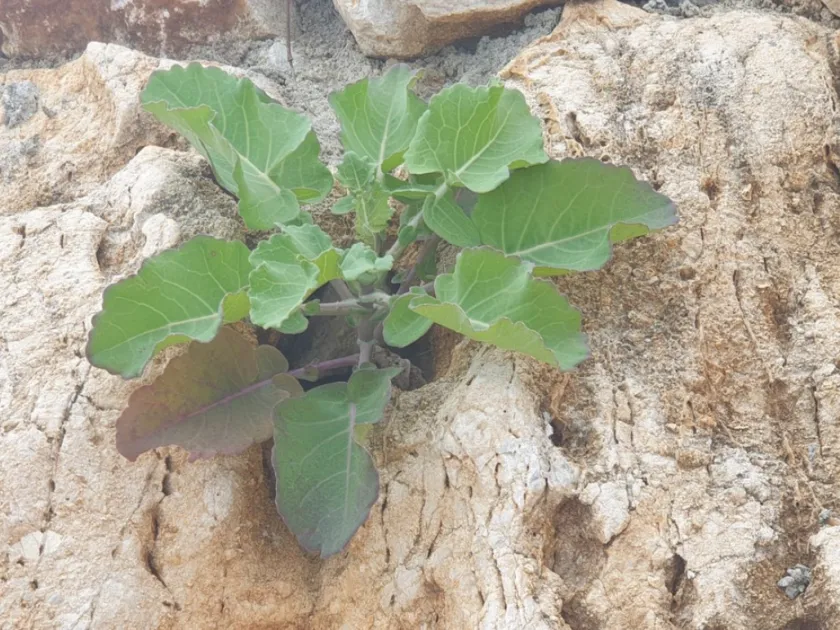
The plant originates from the Mediterranean region, specifically native to certain Italian islands where it thrives in calciferous and rocky substrates, demonstrating remarkable resilience to harsh environments.
Botanically, this species is characterized by robust foliage and a specialized root system capable of navigating rocky soil strata to access nutrients and minimal moisture reserves.
Agricultural success with this species depends on mimicking its natural habitat, which necessitates excellent soil drainage and a pH balance that leans towards alkaline or neutral conditions.
Proper cultivation requires full sun exposure, as this plant is highly light-demanding. It does not tolerate waterlogging, as excessive soil moisture can lead to rapid decay of the root collar.
Main diseases and pests
The primary insect threats to Brassica macrocarpa include the crucifer flea beetle, which is particularly devastating to young seedlings during their early developmental stages.
Large white butterfly larvae also pose a significant risk, as they can rapidly consume the leaf surface, which is critical for the plant's energy production and overall survival.
Fungal pathogens such as clubroot represent a major threat to the root system, often thriving in soils that lack proper drainage or suffer from poor crop rotation practices.
Powdery mildew is another concern, often appearing under conditions of high humidity combined with stagnant air, which necessitates adequate spacing and ventilation in the planting area.
Integrated pest management, including regular scouting and early detection of symptoms, is essential for maintaining the health of this species in both cultivation and experimental garden settings.