
Leavenworthia torulosa
Leavenworthia torulosa
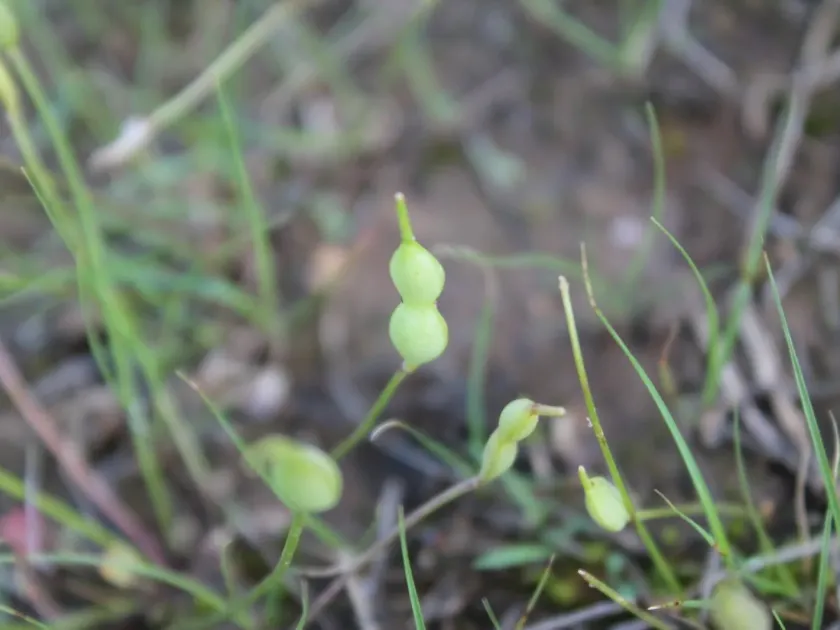
Description
Sowing dates
Leavenworthia torulosa, as a typical ephemeral, begins its life cycle during the early spring months. Seeds are adapted to germinate as soon as the soil temperatures rise slightly above freezing, taking advantage of the initial post-winter soil moisture.
For cultivation purposes, sowing should ideally occur in late winter or very early spring. Ensuring that the seeds are exposed to a period of cold stratification significantly improves germination rates, mimicking natural conditions found in their native habitat.
Due to the small size of the seeds, shallow sowing is mandatory. They should be lightly pressed into the surface of the soil or covered with a very thin layer of fine substrate to ensure proper contact while allowing enough light for the initial growth stages.
Speed of development is a critical factor, as this plant matures very quickly before the onset of summer heat. Early sowing provides the necessary timeframe for the plant to build a rosette and move toward the flowering phase without thermal stress.
In laboratory or research settings, starting plants in a controlled environment with consistent moisture levels can prevent the high mortality rates associated with sudden outdoor temperature fluctuations during the sensitive germination phase.
Growing requirements
This species is highly specialized, typically thriving on calcareous soils or limestone glades. It requires a substrate that provides excellent drainage, as the roots are susceptible to rot when exposed to prolonged waterlogged conditions.
Soil chemistry should ideally be neutral or slightly alkaline. The presence of adequate calcium levels is essential for the healthy physiological development of the plant, reflecting its adaptation to specific geological environments where it naturally occurs.
Full sunlight is a fundamental requirement for optimal growth. Leavenworthia torulosa is not competitive with taller vegetation, so maintaining a clear site free of invasive weeds is vital for the survival and propagation of the crop.
Climatic requirements center on a cool, moist spring season. Once temperatures spike and soil moisture levels drop, the plant naturally enters senescence. Managing water availability during the peak growing phase is crucial to maximizing the seed yield.
Maintenance of the growing area should prioritize the protection of the fragile root structure. Manual weeding is often the preferred method, as mechanical cultivation tools can easily damage the delicate plants in the early weeks of development.
Main diseases and pests
Like many members of the Brassicaceae family, Leavenworthia torulosa is vulnerable to common cruciferous pathogens. Fungal infections, particularly those affecting the root and collar areas, are a primary concern when drainage is insufficient.
Flea beetles represent the most significant pest threat during the seedling stage. They can quickly defoliate young plants, severely hindering their ability to photosynthesize and potentially causing total crop failure if left unmonitored.
Slug and snail populations can cause significant damage to the foliage during periods of increased humidity. These pests can be particularly destructive to the rosettes, which form the base for the plant's subsequent reproductive growth.
Powdery mildew may occur as the season progresses and temperatures increase. Keeping the environment well-ventilated and avoiding overcrowded conditions can significantly reduce the risk of this disease spreading through the plot.
Integrated pest management strategies should focus on preventive measures. Rotating the cultivation site and ensuring optimal plant spacing are the most effective ways to minimize the reliance on chemical treatments for this specialized plant species.