
Japanese wallflower
Erysimum japonicum
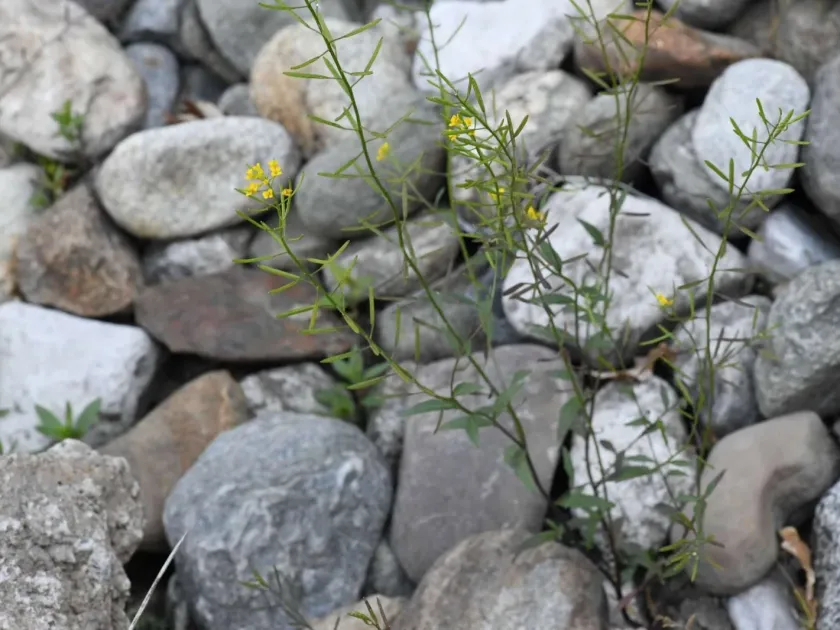
Description
Sowing dates
The Japanese wallflower is a herbaceous plant belonging to the Brassicaceae family. Sowing typically takes place in early spring once the soil temperature consistently reaches 5–8 degrees Celsius.
Proper seedbed preparation is essential, requiring deep cultivation and leveling to ensure even germination. Seeds are small and should be sown at a shallow depth of 1 to 2 centimeters.
Optimal row spacing is between 30 and 45 centimeters, facilitating mechanical weeding and aeration between plants. Maintaining proper plant density is critical for healthy crop development.
Winter sowing is a viable option in milder climates, allowing for earlier blooming in the following season. This method subjects the seeds to natural stratification, enhancing germination vigor.
Using high-quality, calibrated seeds is recommended for uniform emergence. Drilling or precise sowing machines should be utilized to ensure optimal seed distribution across the field.
Growing requirements
This crop requires open, sunny locations for optimal performance. Exposure to direct sunlight is crucial for the development of the plant's secondary metabolites and overall vigor.
Soil type should be light, well-draining loam or sandy loam. The plant is sensitive to waterlogging, so adequate field drainage is mandatory to prevent root rot and physiological stress.
Moderate moisture levels are necessary throughout the vegetative phase. While the plant shows some drought tolerance, irrigation is recommended during the flowering stage to maximize yield.
The ideal temperature range for growth is moderate, between 15 and 22 degrees Celsius. Extreme fluctuations can affect reproductive success and the overall quality of the harvested material.
Balanced fertilization is key; nitrogen applications support vegetative growth, while potassium and phosphorus are essential for promoting flower formation and overall plant hardiness.
Main diseases and pests
Cruciferous flea beetles are the primary pest affecting young seedlings. Early scouting and targeted insecticide applications are necessary to prevent severe damage to the leaf tissue.
Aphids can colonize the plant tips, particularly in warm conditions, sucking sap and stunting growth. Monitoring for localized infestations is important to minimize spread throughout the field.
Downy mildew is a significant fungal threat, especially in humid and stagnant air conditions. Improving spacing and airflow is a primary cultural control method against this disease.
Root rot occurs in poorly drained soils or during excessive rainfall. Maintaining optimal soil structure and avoiding nitrogen over-application helps in managing this potential issue.
Weed management is vital to reduce competition for nutrients and sunlight. Regular inter-row cultivation helps maintain a clean crop and improves soil aeration for better plant growth.
Harvesting
Harvesting for medicinal or industrial purposes should occur at the peak of the flowering phase. This timing ensures the highest concentration of active compounds in the aerial plant parts.
Top sections of the stems, approximately 20–30 centimeters in length, are cut. Harvesting must be performed during dry weather to prevent microbial degradation of the gathered biomass.
Drying should be conducted in shaded, well-ventilated areas or specialized drying chambers. Temperatures must be strictly controlled, keeping them below 45 degrees Celsius to preserve efficacy.
Once dried, the product should be packed in breathable containers and stored in a cool, dry, and dark location. This ensures the shelf life and quality of the final product.
When grown for seeds, the harvest takes place once the pods have turned brown and reached physiological maturity. Harvesting should be timely to avoid natural seed shattering in the field.