
Glastaria glastifolia
Glastaria glastifolia
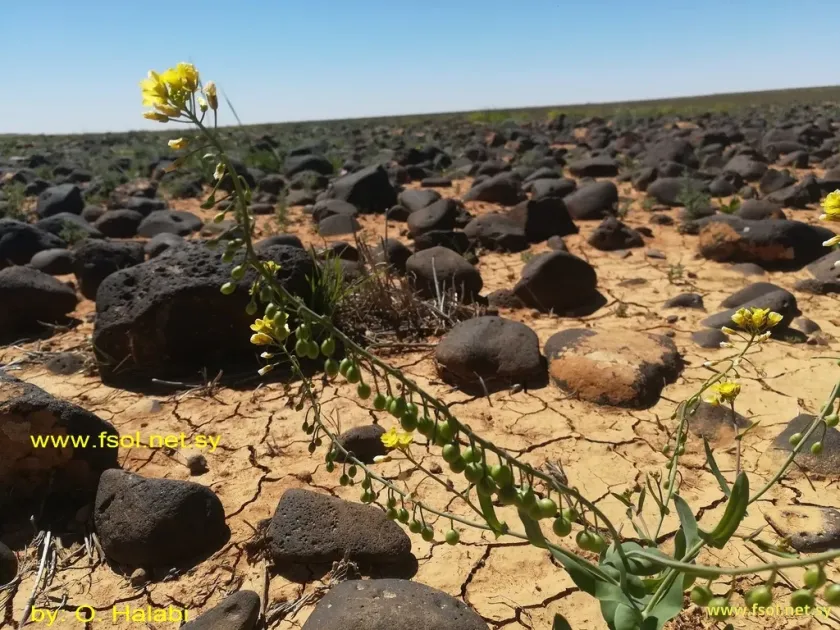
Description
Sowing dates
Glastaria glastifolia is a herbaceous plant belonging to the Brassicaceae family. In agronomic practice, it is recommended to sow this crop in the spring period when the soil warms up to 8-10 degrees Celsius, ensuring uniform and rapid germination of the seeds.
For optimal development, seeds should be sown at a depth of 1-2 centimeters in well-prepared and loosened soil. It is essential to maintain spatial isolation if seed production is planned, as the plant is prone to cross-pollination.
Pre-sowing soil preparation should be carried out in autumn, including deep plowing and the application of phosphorus-potassium fertilizers. Early spring sowing allows the crop to effectively utilize the moisture accumulated in the soil after the winter season.
The sowing density must be sufficient to form a healthy stand without creating excessive competition between individual plants. Row planting with a spacing of 30-45 centimeters is considered optimal, as it facilitates easier subsequent maintenance of the fields.
Regular monitoring of the crops during the first weeks after emergence is a mandatory step to ensure high productivity of Glastaria glastifolia throughout the entire growing season.
Growing requirements
This crop is characterized by high resistance to arid conditions, making it suitable for cultivation in regions with dry climates. It prefers open, sunny locations, as shading negatively affects the synthesis of biologically active compounds within its tissues.
Soil requirements include well-drained, light-textured soils. The plant is highly sensitive to excessive moisture and waterlogging, which can provoke root rot and lead to crop failure.
Glastaria glastifolia demonstrates excellent adaptation to rocky and sandy soils, making it a promising candidate for developing low-productivity lands. The optimal pH level should range from neutral to slightly alkaline.
In regions with harsh winters, the crop's winter hardiness should be assessed, although it shows sufficient tolerance to seasonal temperature fluctuations in its natural range. When growing in northern latitudes, the risk of root system frost damage must be considered.
To maintain soil fertility in areas where Glastaria is grown, crop rotation is recommended, avoiding returning the crop to the same site for at least 3-4 years.
Yield
The economic value of Glastaria glastifolia lies in its ability to produce specific secondary metabolites that are valuable for the pharmaceutical and chemical industries. The yield of green biomass depends directly on the quality of care and the agrometeorological conditions of the season.
By adhering to all agronomic requirements, it is possible to achieve a stable yield of raw material, which is used for the extraction of useful compounds. The main indicators of productivity are the total mass of the aerial organs and the concentration of active ingredients during the flowering phase.
Harvesting is conducted at the beginning of the mass flowering phase when the content of biologically active components reaches its peak. Using mechanized harvesting requires adjusting the equipment to minimize losses of the plant's delicate parts.
Post-harvest processing involves rapid drying of the raw material in controlled temperature conditions to prevent the degradation of valuable compounds. Quality drying preserves both the product's appearance and its pharmacological properties.
The economic efficiency of growing this crop is determined not only by the volume of harvested biomass but also by the purity of the obtained extract, making the standardization of collection and primary processing critical.
Main diseases and pests
Like most members of the Brassicaceae family, Glastaria glastifolia is susceptible to specific diseases characteristic of this taxon. The most dangerous are fungal diseases such as clubroot and various types of powdery mildew.
To control pathogens, it is recommended to carry out preventive fungicide treatments during the early stages of development. It is also important to strictly follow phytosanitary control rules, including the destruction of plant residues where pathogens may overwinter.
Among pests, cruciferous flea beetles cause the most damage, as they are especially active in hot and dry weather. These insects can destroy young seedlings within a few days, so regular field inspections are necessary.
Aphids and other sap-sucking pests can act as vectors for viral diseases, causing leaf deformation and stunted growth. The use of systemic insecticides in the initial stages helps significantly reduce the population of harmful organisms.
An integrated plant protection system, combining agrotechnical methods, biological agents, and chemical preparations in strictly controlled doses, is the most effective approach for maintaining healthy plantations.
Harvesting
The harvesting technology for Glastaria glastifolia requires precise determination of the growth phase, as the timing of harvest is directly correlated with the quality of the final product. Delaying the harvest leads to stem lignification and a decrease in the concentration of beneficial substances.
Traditionally, mowing is performed with specialized harvesters adjusted to an optimal cutting height. This allows for the collection of the most valuable leafy parts and apical shoots, leaving the coarser lower stem parts in the field.
Immediately after mowing, the collected biomass must be transported to the processing site. Prolonged storage in swaths is unacceptable, as it leads to self-heating of the material and the development of mold, which permanently damages the crop.
For transport, specialized containers or trailers that ensure free air circulation are used. This is especially relevant when working in high-humidity environments.
The final stage of harvesting is the cleaning of seed material or the grinding of green biomass, depending on the intended use. Proper logistics management allows for minimal losses and ensures high profitability of the crop.