
Conringia austriaca
Conringia austriaca
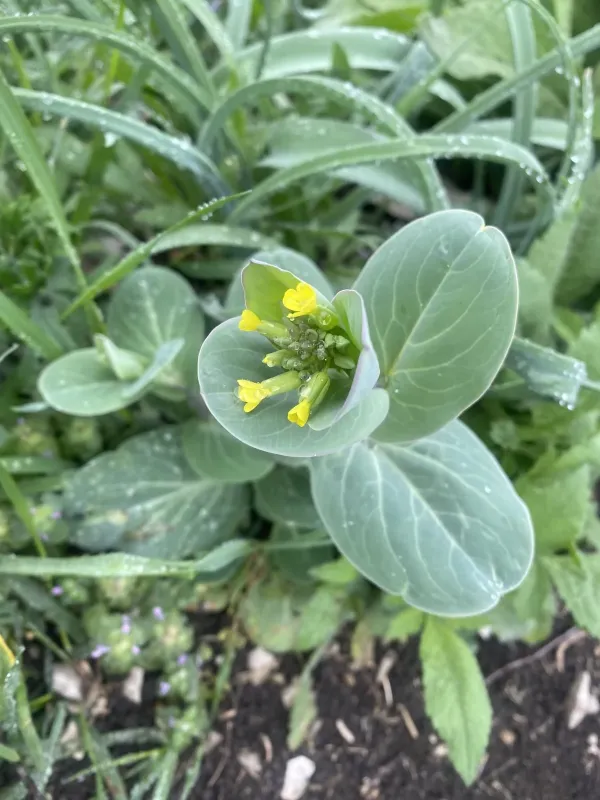
Description
Sowing dates
Conringia austriaca is an annual herbaceous plant belonging to the Brassicaceae family. In agronomic practice, the sowing of this crop is typically scheduled for early spring, once the soil has warmed to temperatures between 5 and 8 degrees Celsius.
The optimal method for sowing this species is row drilling, with spacing set at approximately 15 to 20 centimeters. Seeds should be planted at a shallow depth, not exceeding 1-2 centimeters, to ensure uniform emergence and consistent development of the basal leaf rosettes.
Given sufficient soil moisture, the plant exhibits high germination vigor. Agronomists recommend strict adherence to optimal sowing dates to prevent desiccation of the topsoil, as the small seeds require steady contact with moist soil to initiate growth successfully.
If higher planting density is required, seeding rates should be calculated based on the purity and germination percentage of the specific seed batch. Ensuring high-quality seedbed preparation is essential to create a fine-textured soil that promotes rapid rooting.
Implementing proper crop rotation is a mandatory requirement for successful production, as the species is susceptible to a range of diseases common to all members of the Brassicaceae family.
Growing requirements
The crop prefers open fields with good solar exposure, as it is sensitive to shading. Ideal soil conditions consist of light, well-drained substrates with a neutral to slightly alkaline pH level.
While the plant demonstrates moderate drought tolerance, regular moisture during periods of active growth is necessary to achieve maximum biomass yield. Excessive waterlogging or poor drainage can lead to root rot and systemic physiological stress.
Conringia austriaca is relatively undemanding regarding temperature regimes, thriving in moderately cool conditions. Hardened seedlings are capable of withstanding brief spring frosts without significant loss of productivity.
A key factor in successful cultivation is ensuring the soil is well-supplied with essential nutrients, particularly nitrogen and phosphorus. Applying mineral fertilizers during the vegetative stage significantly enhances overall crop performance.
Soil structure should remain loose to ensure adequate aeration for the root system. In heavy clay soils, the crop tends to grow much more slowly and is more frequently affected by fungal and bacterial infections.
Main diseases and pests
Among the primary diseases threatening the crop, clubroot (Plasmodiophora brassicae) is a major concern, as it attacks the root system and severely stunts development. High humidity levels may also facilitate the spread of gray mold and powdery mildew.
Insect pests characteristic of cruciferous crops include the flea beetle, which poses the greatest threat during the seedling stage. Timely application of insecticides is vital to mitigate damage in the early phases of plant growth.
Additionally, the crop can be subject to infestation by the diamondback moth and various cabbage white butterflies, whose larvae consume the leaf tissue. Pest population monitoring should commence immediately after the appearance of the first true leaves.
Preventative fungicide applications are recommended to curb pathogen spread. It is critical to follow established chemical application protocols to ensure that residues do not accumulate in the harvested biomass.
- Flea beetles
- Clubroot
- Powdery mildew
- Diamondback moth