
Ammosperma cinereum
Ammosperma cinereum
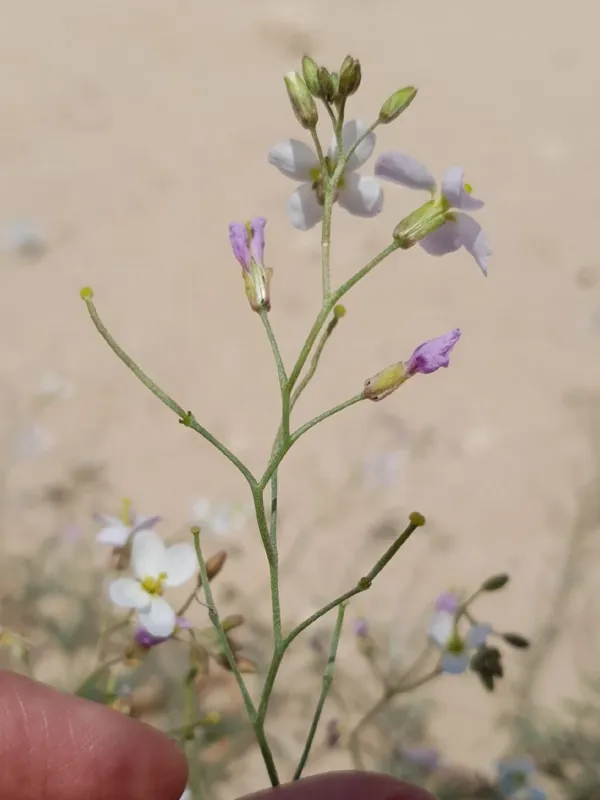
Description
Growing requirements
Ammosperma cinereum is a herbaceous plant belonging to the Asteraceae family. It is natively adapted to the extreme environments of North African deserts, where it exhibits significant resilience to high temperatures and water scarcity.
The botanical structure of this plant features a distinctive grayish, pubescent appearance. This dense hair covering acts as a natural protective layer, reducing transpiration rates and shielding the plant from the intense solar radiation typical of arid ecosystems.
In terms of growth requirements, Ammosperma cinereum thrives in loose, sandy, and well-drained soils. It does not require high levels of soil nutrients and can efficiently utilize the sparse resources available in desert environments, making it an excellent candidate for land reclamation.
The plant possesses an extensive root system that is essential for its survival, allowing it to anchor securely in shifting sand dunes. Proper agricultural management focuses on maintaining low soil moisture levels to prevent physiological stress caused by waterlogging.
Its primary agricultural potential lies in sand stabilization and soil protection. By acting as a natural binder for sandy substrates, the plant helps mitigate the effects of erosion and wind-driven degradation in sensitive arid landscapes.
Main diseases and pests
The most significant threat to the health of this crop is excessive irrigation. Because it is evolved for arid conditions, any prolonged moisture retention in the root zone leads to the development of fungal pathogens, specifically root rot.
Desert pests, such as locust species, present a severe challenge to the plant's survival. Their rapid feeding cycles can decimate large areas of vegetation, necessitating effective biological or chemical control strategies.
Soil-borne nematodes represent another threat, as they feed on roots, undermining the plant's ability to uptake water. This leads to a decline in growth vigour and increased susceptibility to other environmental stressors.
Competition from weeds that favor irrigation can also impede growth, as the plant is not naturally competitive in terms of rapid nutrient uptake when water is plentiful.
Sustainable management requires an integrated approach to pest control, focusing on early monitoring and maintaining optimal, low-humidity soil conditions to ensure long-term viability.