
Nemophila spatulata
Nemophila spatulata
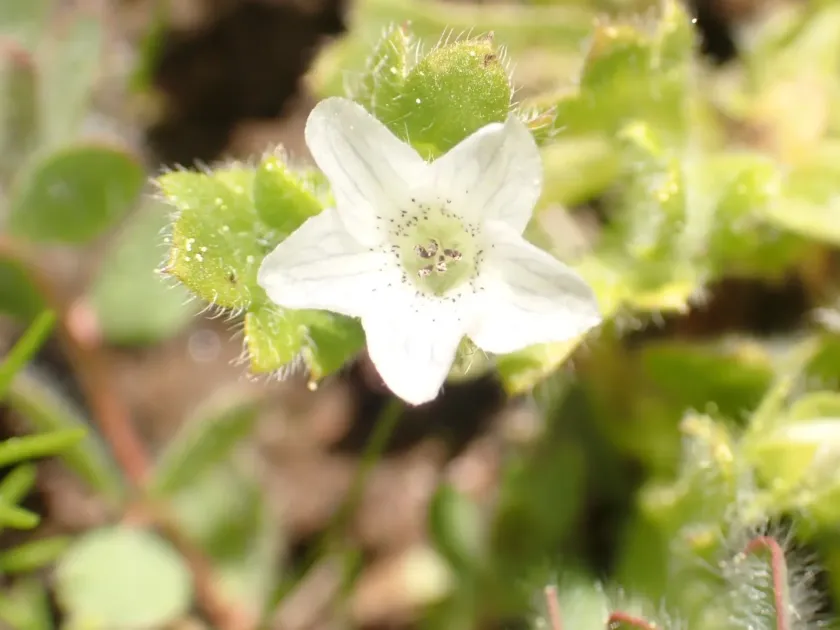
Description
Sowing dates
Nemophila spatulata, a member of the Boraginaceae family, is typically grown from seeds sown directly into the soil. The best time for planting is early spring, once the danger of hard frost has passed.
Seeds should be sown at a depth of approximately 0.5 to 1 cm. Proper spacing of 15–20 cm between plants is essential to ensure adequate airflow and healthy development of the foliage.
For earlier flowering, seeds can be started indoors in trays. However, because Nemophila has a delicate root system, transplantation must be handled with great care to avoid damaging the taproot.
Germination typically takes between 10 and 14 days under constant moisture conditions. The seedlings are quite resilient to cool weather, making them ideal for temperate gardening zones.
Mulching the soil surface lightly after sowing can help retain the moisture levels required for the seeds to germinate successfully. Constant monitoring of soil moisture during the first few weeks is recommended.
Growing requirements
Nemophila spatulata thrives best in loose, well-drained soil with a slightly acidic to neutral pH. It is particularly sensitive to waterlogging, which can easily lead to root decay and plant failure.
The plant prefers sunny locations but performs best when given protection from intense afternoon heat in warmer regions. Partial shade during the hottest part of the day can significantly extend the bloom cycle.
Regular but moderate watering is necessary. It is important to aim water at the base of the plant to keep the foliage dry, which significantly reduces the risk of fungal infections in dense plantings.
Occasional fertilization with a balanced, slow-release fertilizer can support vigorous growth. However, over-fertilization should be avoided, as it may lead to excessive leafy growth at the expense of flower production.
Climatic requirements focus on cool to mild temperatures. In regions with very hot and humid summers, the plant may complete its life cycle prematurely, necessitating strategic planting timing.
Main diseases and pests
Slugs and snails are the most common pests for Nemophila spatulata, especially in damp gardens. Mechanical barriers, such as copper tape or organic baits, are effective methods of controlling these pests.
Aphids may occasionally attack the tender tips of the plants. Early detection and the use of insecticidal soap or neem oil are usually sufficient to manage these infestations without harming beneficial pollinators.
Powdery mildew is a prevalent disease caused by poor air circulation and high humidity. Ensuring proper spacing and keeping the foliage dry are the primary preventative measures for this issue.
Root rot is often the result of improper drainage or overwatering. Improving soil structure through the addition of grit or organic matter can prevent the buildup of moisture in the root zone.
Monitoring for signs of viral infections, often spread by insects, is important. Any plants showing mottled leaves or distorted growth should be removed and destroyed to protect the rest of the crop.
Harvesting
While primarily grown for ornamental use, Nemophila spatulata adds charm to any flower border. Cut flowers should be harvested in the cool of the morning when the buds are just beginning to open.
Seed harvesting should be performed when the capsules turn brown and brittle. It is important to collect the seeds before the capsules burst to prevent self-sowing or loss of the planting material.
After collection, seeds must be dried in a well-ventilated, shady area. Storing them in breathable paper bags in a cool, dark location ensures they remain viable for the next planting season.
In landscaping, this species is perfect for mass planting or edging. Removing spent flowers helps keep the plant tidy and may occasionally encourage a second, lighter flush of blooms if temperatures remain cool.
At the end of the growth cycle, the plant residues can be incorporated into the soil as organic matter, provided the plants are free from disease, contributing to better soil health for the next season.