
Venus navelwort
Omphalodes linifolia (L.) Moench
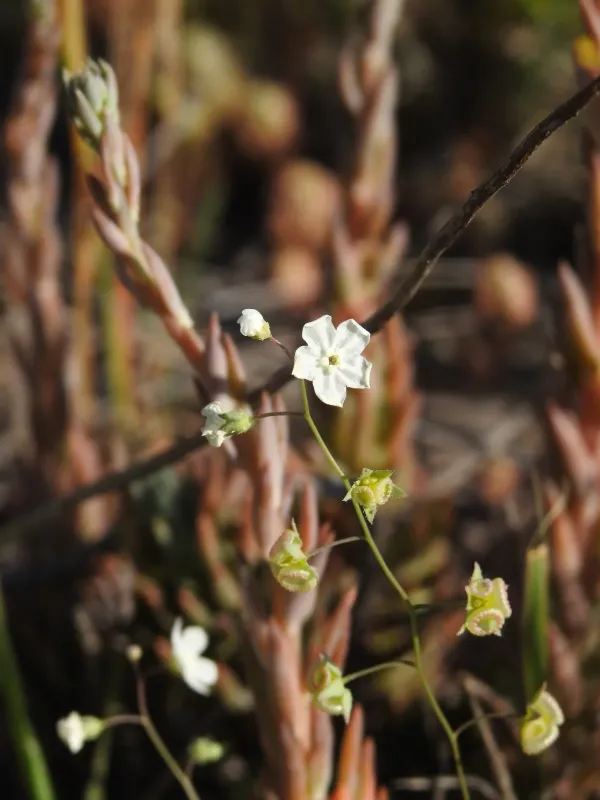
Description
Sowing dates
Venus navelwort, scientifically known as Omphalodes linifolia, is an annual herbaceous plant belonging to the Boraginaceae family. It is typically propagated by seeds sown directly into the prepared garden soil in early spring after the risk of frost has passed.
Seeds should be sown thinly at a depth of approximately 0.5 to 1 centimeter. Because the seeds are relatively small, it is essential to ensure they are covered with a fine layer of soil to maintain adequate moisture for germination.
For gardeners looking for early seasonal blooms, sowing in autumn is a viable strategy, as the seeds benefit from natural cold stratification during winter months, resulting in more vigorous spring growth.
Once the seedlings are established, they should be thinned to ensure a spacing of 20 to 25 centimeters between individual plants to prevent overcrowding and promote proper air circulation.
The plant grows rapidly, and keeping the sowing area free from competing weeds is crucial during the initial stages of seedling development to ensure they capture sufficient nutrients.
Growing requirements
Venus navelwort thrives in well-drained, sandy, or loam soils. It is native to the Mediterranean region, and therefore it is well-adapted to conditions that offer excellent soil drainage and exposure to bright, direct sunlight.
The soil pH should ideally be neutral or slightly alkaline. In areas with heavier clay soils, incorporating coarse sand or grit is recommended to prevent moisture retention and subsequent root rot.
Watering should be balanced; while the plant requires consistent moisture during its active growth phase, it is vital to avoid waterlogged conditions which are detrimental to the plant's health.
Nutrient requirements are modest. Excessive fertilization, particularly with nitrogen, should be avoided as it encourages excessive vegetative growth at the expense of its delicate white flowers.
The plant prefers open, airy locations. While it can withstand periods of light drought, providing moderate watering during dry spells will significantly extend the flowering period and improve the plant's overall appearance.
Main diseases and pests
The primary biological threats to Venus navelwort include fungal infections such as root rot and powdery mildew, which are often encouraged by poor soil drainage and high humidity levels around the foliage.
Slugs and snails are the most prominent insect-related pests. They tend to feed on the succulent leaves, particularly in cool, damp conditions, and can cause significant aesthetic damage if not controlled early.
To mitigate the risk of disease, it is essential to maintain clean garden practices, including the removal of debris and ensuring that plants are not spaced too closely to maintain adequate airflow.
Integrated pest management, such as the use of barriers or organic deterrents, is highly effective for managing snail and slug populations without damaging the plant's delicate tissues.
Regular inspection of the foliage is recommended to catch early signs of infestation, ensuring that any necessary corrective measures are taken before the plant enters its peak blooming stage.