
Nemophila aphylla
Nemophila aphylla
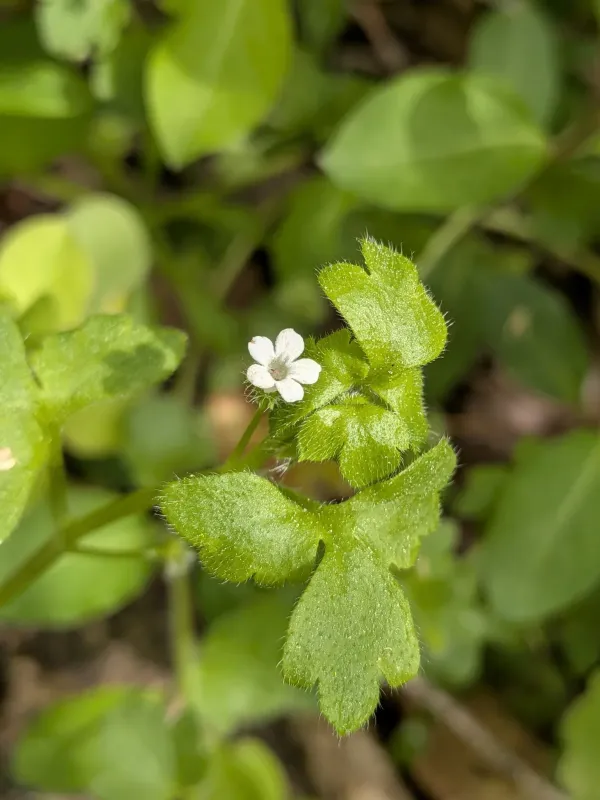
Description
Sowing dates
Nemophila aphylla, a member of the Boraginaceae family, is typically grown as an annual. Sowing is usually performed in early spring once the risk of frost has passed, ensuring the soil has warmed sufficiently for germination.
For indoor propagation, seeds should be sown in trays using a sterile, well-draining seed-starting mix. Because the seeds require light to germinate, they must be pressed gently into the surface rather than covered deeply with soil.
Transplanting seedlings to the garden should be done carefully to avoid disturbing the sensitive root system. Optimal spacing is critical, with recommended gaps of 15 to 20 centimeters between plants to allow for healthy development.
The time from sowing to the appearance of first flowers is generally between two and three months. Planning the sowing schedule according to local climate conditions is essential for maximizing the duration of the flowering period.
Direct outdoor sowing is successful in temperate regions provided that the seedbed is kept consistently moist during the germination phase. Covering with a thin layer of horticultural fleece can protect young sprouts from unexpected weather fluctuations.
Growing requirements
The species thrives in fertile, loamy soils that possess excellent drainage characteristics. Heavy clay soils should be amended with organic matter or grit to improve aeration and prevent the roots from suffocating in stagnant water.
Nemophila aphylla prefers positions with full sun to light shade. In warmer climates, protection from the intense afternoon sun is highly recommended to prevent premature wilting and to preserve the vibrancy of the foliage.
Watering requirements are moderate but steady; the soil should be maintained in a consistently damp state without becoming waterlogged. During periods of drought, supplemental irrigation is necessary to sustain growth and blooming.
The ideal temperature range for this plant is between 15 and 22 degrees Celsius. Extreme fluctuations or persistent high humidity coupled with heat can cause developmental stress and invite fungal infections.
Nutrient management focuses on avoiding high-nitrogen applications, which may lead to excessive vegetative growth at the expense of floral production. A balanced, slow-release fertilizer is usually sufficient to support the plant throughout its lifecycle.
Main diseases and pests
Fungal issues such as powdery mildew are the most common concern, particularly in areas with poor airflow and high humidity. Symptoms often appear as white, powdery patches on the leaves and stems.
Root rot, caused by various soil-borne pathogens, is a significant risk in poorly drained substrates. It typically manifests as a gradual decline in the plant's health, often starting with wilting of the lower leaves.
Pests including slugs and snails are highly attracted to the succulent leaves of Nemophila aphylla. Aphid colonies may also establish on young shoots, necessitating prompt intervention to prevent damage to the developing flowers.
Effective management includes keeping the planting area free of debris and weeds, which can harbor pests and pathogens. Regular monitoring is the best defense to ensure early detection of any health issues.
- Ensure adequate spacing to promote air circulation.
- Use organic snail baits if necessary.
- Apply fungicides at the first sign of mildew.
- Avoid overhead watering to keep foliage dry.