
Blue-eyed Mary
Omphalodes cappadocica (Willd.) DC.
Description
Sowing dates
Blue-eyed Mary, a member of the Boraginaceae family, is a perennial plant typically propagated by dividing established clumps in early spring or autumn.
Propagation from seed is also possible but requires a period of cold stratification to break seed dormancy and ensure successful germination.
Sowing in open ground should be timed for late autumn, allowing the natural winter chill to prepare the seeds for growth during the following spring.
When starting from seeds in containers, keep them in a cold frame or refrigerator for several weeks before moving them to a warmer, brighter location.
When planting, ensure the crown of the plant is positioned level with the soil surface to prevent rot while allowing the roots to establish firmly.
Growing requirements
Native to the mountains of Turkey, this plant thrives in cool, shady areas of the garden, protected from the harsh afternoon summer sun.
The soil should be rich in humus, moist, and well-drained, mirroring the woodland conditions where the plant naturally occurs in its wild habitat.
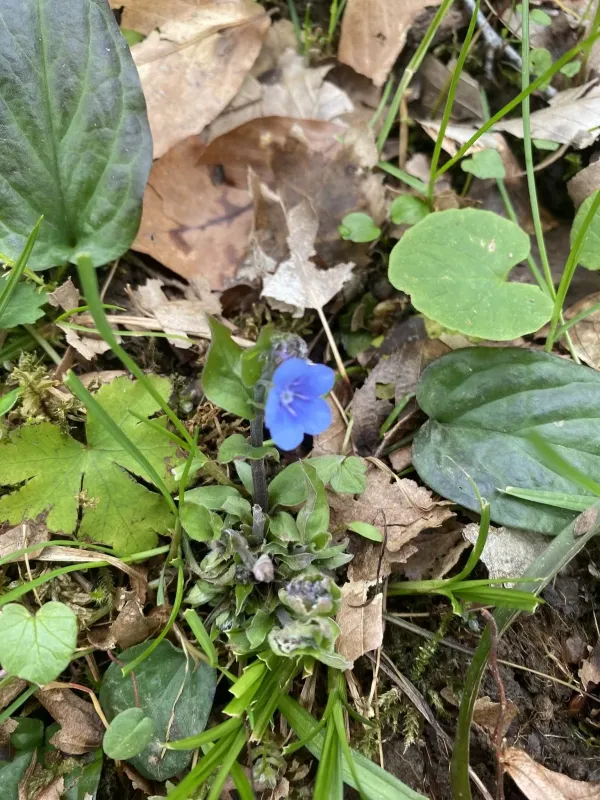
Regular watering is essential, particularly during the spring blooming season to maintain the turgor of the vibrant blue, forget-me-not-like flowers.
The ideal soil pH for this species is neutral to slightly alkaline, and adding well-rotted leaf mold will improve the growing medium's performance.
While the plant is quite hardy, providing a light layer of winter mulch helps protect the root system from freezing and thawing cycles in colder climates.
Main diseases and pests
In humid or stagnant environments, the plant can become susceptible to fungal infections such as powdery mildew or various leaf spot diseases.
Slugs and snails are the most significant pests for this species, as they are drawn to the plant's succulent, broad leaves in damp weather conditions.
To reduce the risk of infection, it is important to provide sufficient spacing between plants to encourage air circulation through the foliage.
Good garden hygiene, including the removal of dead foliage and debris, is highly recommended to discourage the presence of harmful pests and pathogens.
If pest populations become problematic, using organic barriers or iron phosphate-based pellets is an effective way to manage damage without chemical sprays.