
Neatostema apulum
Neatostema apulum
Description
Growing requirements
Neatostema apulum is an annual herbaceous plant belonging to the Boraginaceae family. Originally native to the Mediterranean basin, this species has evolved to thrive in arid and semi-arid conditions, demonstrating significant resilience to water stress.
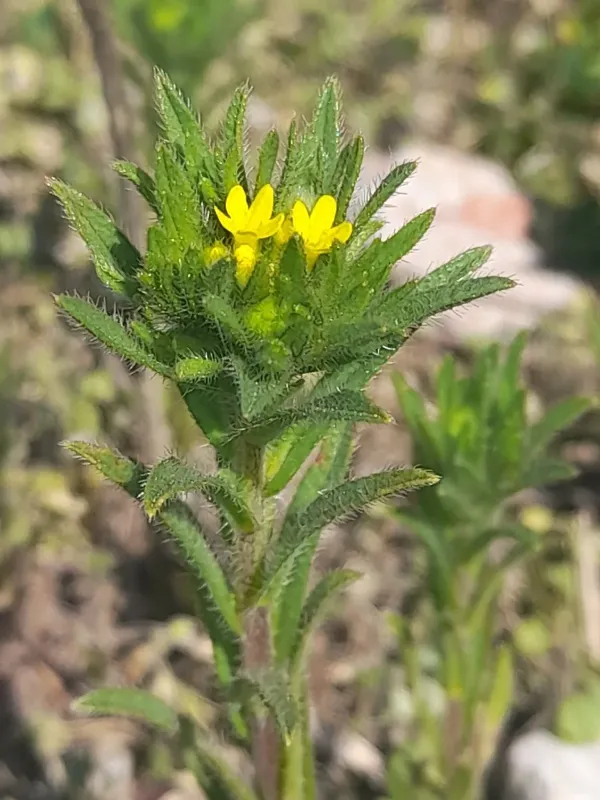
The plant exhibits distinctive botanical traits, including a rough, hirsute surface that serves as an adaptation to reduce transpiration. The root system is typically deep and slender, allowing the plant to tap into moisture reserves in rocky or sandy substrates.
Regarding soil requirements, the species favors well-drained, porous environments. It is highly intolerant of waterlogging, which often leads to root rot. Soils with a neutral or slightly alkaline pH are considered optimal for its successful establishment and development.
Climate preferences are strongly linked to high light intensity and thermal stability. The plant requires full solar exposure to complete its life cycle effectively, as shaded conditions often result in poor vegetative vigor and reduced seed production.
In terms of agricultural utility, research is currently focused on the plant's secondary metabolites. While not a conventional staple crop, it serves as an interesting subject for studies regarding botanical extracts and their potential applications in pharmaceutical research.
Main diseases and pests
Pathogenic fungi, particularly those within the Fusarium genus, represent a primary threat to the health of these crops, especially if soil aeration is compromised. Maintaining a low humidity environment around the stem base is a standard preventive practice.
Pests such as spider mites may target the leaves during periods of extreme heat, potentially reducing the photosynthetic capacity of the plants. Early detection via regular field inspections is necessary to prevent significant infestation levels.
Weed management is essential during the early developmental stages of Neatostema apulum. As it has a relatively slow growth rate initially, competing vegetation can easily overwhelm the crop, necessitating careful manual or mechanical weeding.
Root system damage caused by soil-borne pests or larvae must be monitored to ensure plant longevity. Maintaining proper soil structure through organic amendments can help buffer against these biotic stresses and improve overall crop immunity.
Furthermore, avoiding chemical runoff and excessive fertilizing is recommended, as the species is adapted to nutrient-poor soils. Excessive nitrogen can lead to rapid, succulent growth that is more susceptible to both environmental stress and pest attacks.