
Heliotropium verdcourtii
Heliotropium verdcourtii
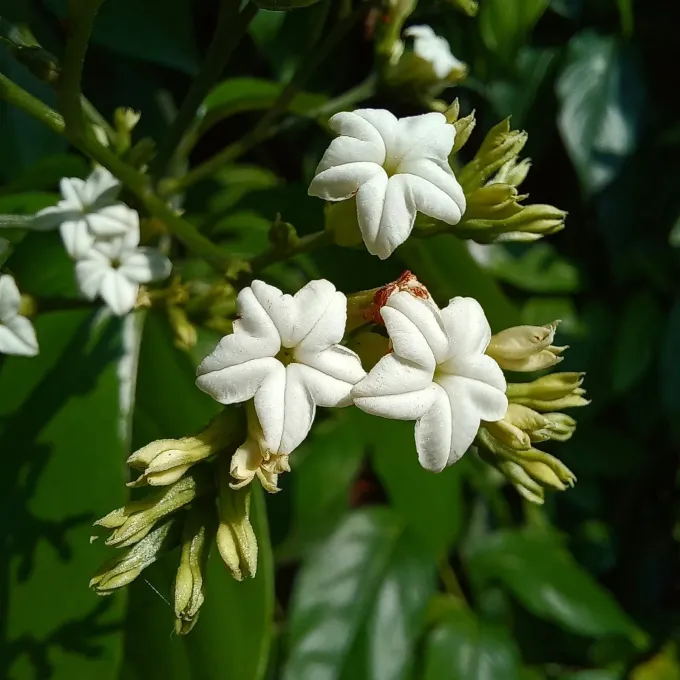
Description
Sowing dates
Heliotropium verdcourtii belongs to the Boraginaceae family. This species originates from Eastern Africa and is typically grown as an ornamental plant due to its unique botanical structure.
Propagation is generally performed by seeds. The sowing process requires a bright environment, as the seeds need light to germinate efficiently; they should be pressed into the substrate rather than buried deeply.
Optimal germination occurs at temperatures between 20°C and 22°C. A sterile, light potting mix is recommended to protect the young seedlings from early developmental pathogens.
Seedlings should be pricked out carefully into individual pots, as the plant is sensitive to root disturbance. Using biodegradable pots can significantly reduce transplant shock.
Hardening off is crucial before moving the plants to their final outdoor location. This process should occur gradually once all threats of frost have completely passed.
Growing requirements
The plant thrives in full sun exposure. It requires at least six to eight hours of direct sunlight daily to maintain its vigor and promote healthy foliage and bloom development.
Soil requirements include well-draining, nutrient-rich soil. The plant cannot tolerate "wet feet," so ensuring proper drainage in the pots or garden beds is essential to prevent root rot.
Regular watering is necessary, especially during the peak of the growing season. The soil should remain consistently moist, but not waterlogged, to sustain active plant metabolism.
Fertilization should be applied regularly during the active growing season. A balanced, liquid fertilizer diluted to half-strength is usually sufficient to support growth without causing excessive vegetative surge.
As a warm-climate species, Heliotropium verdcourtii is often managed as an annual in cooler regions, as it lacks sufficient winter hardiness to survive freezing temperatures.
Main diseases and pests
Pests such as spider mites and aphids are the most common threats to this culture. They often thrive in warm, dry environments and can cause significant damage to the new growth.
Fungal issues, including powdery mildew, may occur if there is insufficient air circulation around the plants or if the humidity remains consistently too high.
Root rot is a severe threat associated with overwatering and poor soil drainage. Once identified, affected plants are difficult to recover, making prevention through controlled watering paramount.
Whiteflies can also infest the plants, particularly in greenhouse settings. Their activity can weaken the overall health of the heliotrope, making it more susceptible to other pathogens.
Integrated pest management strategies, including regular inspections and the use of targeted biological controls, are recommended to maintain plant health throughout the season.