
Heliotropium transalpinum
Heliotropium transalpinum
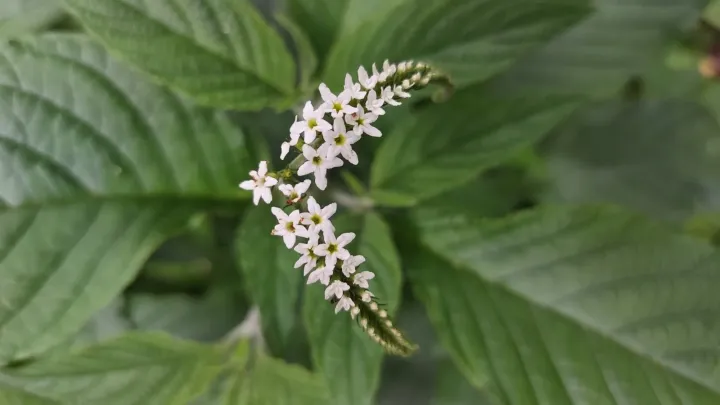
Description
Sowing dates
Sowing of Heliotropium transalpinum typically begins in early spring, once the soil temperature consistently reaches optimal germination levels.
Seedlings are often raised in climate-controlled environments before transplantation to ensure stronger establishment in the field.
Precise depth control is essential, as the fine seeds require exposure to light to trigger the biological mechanisms of sprouting.
Planting dates must be carefully aligned with the local frost calendar to prevent damage to young, sensitive vegetative tissue.
Adequate spacing between rows allows for efficient mechanical weeding and ensures that each plant receives sufficient exposure to sunlight.
Growing requirements
Heliotropium transalpinum, a member of the Boraginaceae family, thrives best in full sun and performs optimally under bright light conditions.
The ideal soil profile consists of well-drained, nutrient-rich loam that prevents waterlogging while maintaining necessary moisture levels.
Regular monitoring of irrigation is crucial, as the crop requires consistent hydration but is sensitive to excessive stagnant groundwater.
The pH levels should be maintained in a neutral to slightly alkaline range to maximize the availability of essential soil nutrients.
Effective agrotechnical practices include systematic soil aeration and the use of balanced fertilization to support vigorous plant health.
Main diseases and pests
Common pests affecting this crop include aphids and spider mites, which can cause significant damage if populations are not controlled early.
Fungal pathogens such as powdery mildew or root rot may emerge in conditions characterized by poor air circulation and excessive humidity.
Integrated pest management protocols should be implemented to minimize the reliance on chemical pesticides while maintaining crop yield.
Regular field scouting is necessary to identify early symptoms of infestation or pathogen development before they spread throughout the plot.
Removing alternative hosts, such as nearby weeds from the Boraginaceae family, significantly reduces the risk of viral and bacterial transmission.