
Heterocaryum szovitsianum
Heterocaryum szovitsianum
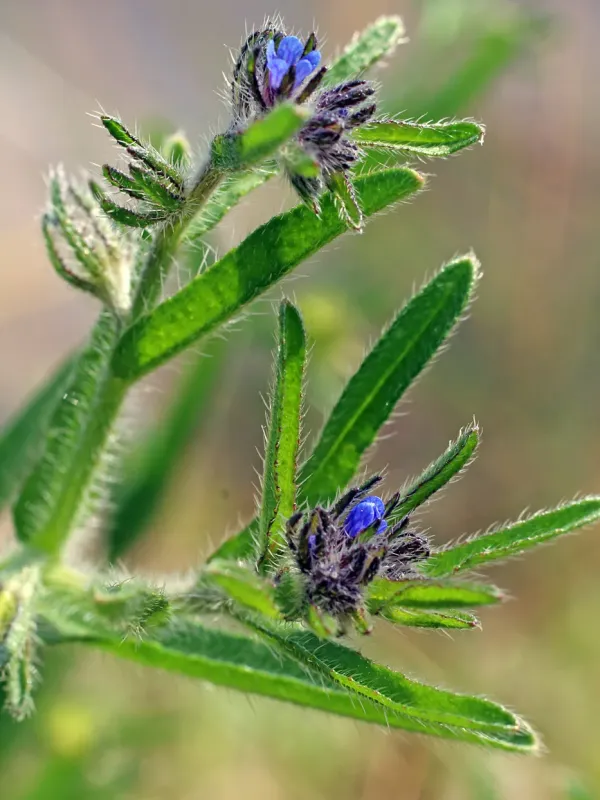
Description
Sowing dates
The sowing process for Heterocaryum szovitsianum is dictated by its life cycle as an ephemeral plant. Seeds should be sown early in the spring, once the soil has warmed enough to support germination, typically at temperatures around 5-10 degrees Celsius.
Precision sowing is recommended to ensure even spacing, which prevents seedling overcrowding. The seeds require shallow planting depths to benefit from the light and moisture available in the top soil layer.
Early sowing allows the plants to establish a robust root system before the onset of the summer heat, which is essential for their survival. Proper row alignment facilitates easier maintenance and weed control throughout the season.
It is important to keep the soil moist during the initial stages of development to support uniform emergence. Rolling the soil after sowing can improve soil-to-seed contact, leading to more reliable germination rates.
If sowing is planned in arid regions, early autumn sowing is sometimes utilized to allow seeds to over-winter and emerge as soon as temperatures allow in the spring. This strategy mimics natural distribution patterns.
Growing requirements
Belonging to the Boraginaceae family, this species thrives in open, sunny environments where it can maximize its photosynthetic potential. It prefers well-drained soils that do not retain excess moisture for long periods.
The plant demonstrates significant tolerance to drought conditions once it is established, making it a viable candidate for regions with unpredictable rainfall. However, its productivity is optimized when soil moisture levels remain stable during the early growth phase.
Regarding soil fertility, it prefers light to medium-textured soils with a neutral pH. Excessive nitrogen fertilization should be avoided as it may lead to weak stems and an imbalance between foliage and reproductive development.
Climate adaptability is one of the key strengths of this plant. It is highly resistant to minor frost events and can endure broad temperature fluctuations, provided it has access to sunlight.
Aeration and soil structure play a crucial role in plant health. Sandy or silty soils with moderate organic matter content provide the best environment for root penetration and general plant vigor.
Main diseases and pests
Fungal diseases related to excessive humidity represent the primary risk for this crop. Preventive measures, such as proper spacing and field drainage, are essential to avoid issues like root rot and leaf blights.
Pest management should focus on monitoring for aphids and similar sucking insects that tend to target the tender shoots. Early detection is key to preventing large-scale infestations that could hinder growth.
Weed competition is a significant threat, especially during the first few weeks after emergence. Developing a strategy for mechanical weeding or selective herbicide use is necessary to ensure the plants do not struggle for resources.
Poor crop rotation practices significantly increase the risk of soil-borne pathogens. Rotating the site every few years is highly recommended to disrupt the life cycles of common pests and diseases.
Environmental stress can make the plant more susceptible to opportunistic pathogens. Proper nutrition and avoiding over-watering contribute to a stronger immune system, helping the plants better withstand biotic threats.