
California hesperochiron
Hesperochiron californicus
Description
Growing requirements
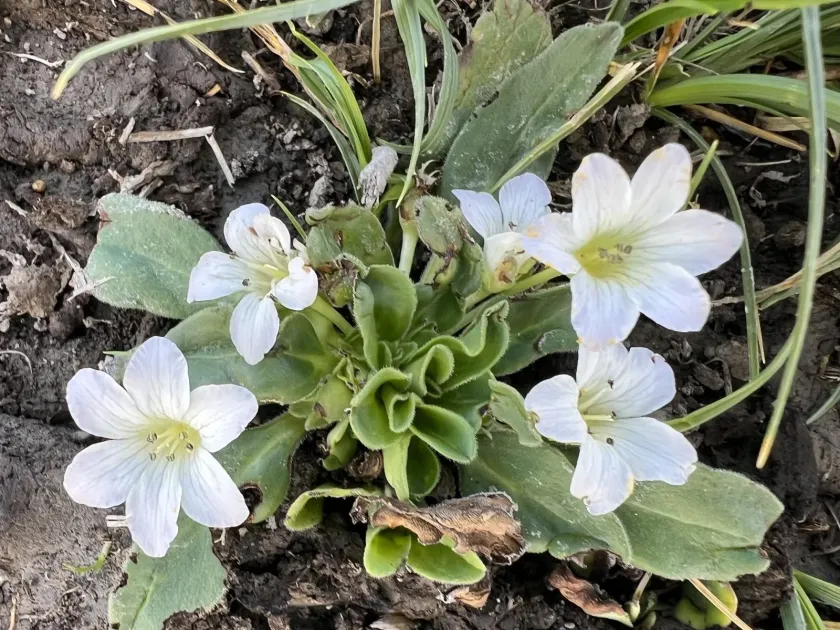
California hesperochiron is a low-growing perennial herb belonging to the Boraginaceae family. It is characterized by its basal leaf rosette and attractive, funnel-shaped flowers that bloom in early spring, often carpeting open meadows with white or pale violet colors.
Native to the western regions of North America, particularly California, this species thrives in open, sunny habitats with distinct seasonal cycles. It has evolved to complete its growth cycle during the moist, cool spring season before entering a dormant state during the hot, dry summer months.
The cultivation requirements are centered on soil drainage; the species is highly susceptible to root rot in waterlogged conditions. It performs best in well-draining, gravelly, or sandy soils that mimic its natural habitat in mountainous or open meadow landscapes.
Regarding agrotechnical management, minimal intervention is required during the active growing phase, provided the plant is situated in a location with adequate exposure to spring sunlight. Supplemental irrigation may be necessary only during periods of insufficient rainfall in early spring.
Its primary use is in rock gardens and native plant restoration projects, where it serves as a critical early-season source of nectar for local pollinators. By maintaining proper moisture levels during its short active season, growers can ensure consistent blooming and plant longevity.