
Hesperochiron pumilus
Hesperochiron pumilus
Description
Growing requirements
Hesperochiron pumilus is a member of the Boraginaceae family. It is a diminutive perennial herb known for its delicate aesthetic appeal and specialized ecological niche in its natural habitat.
Native to Western North America, this species is typically found in high-altitude meadows and open, moist sites. It is well-adapted to environments where snowmelt provides initial seasonal moisture for rapid spring growth.
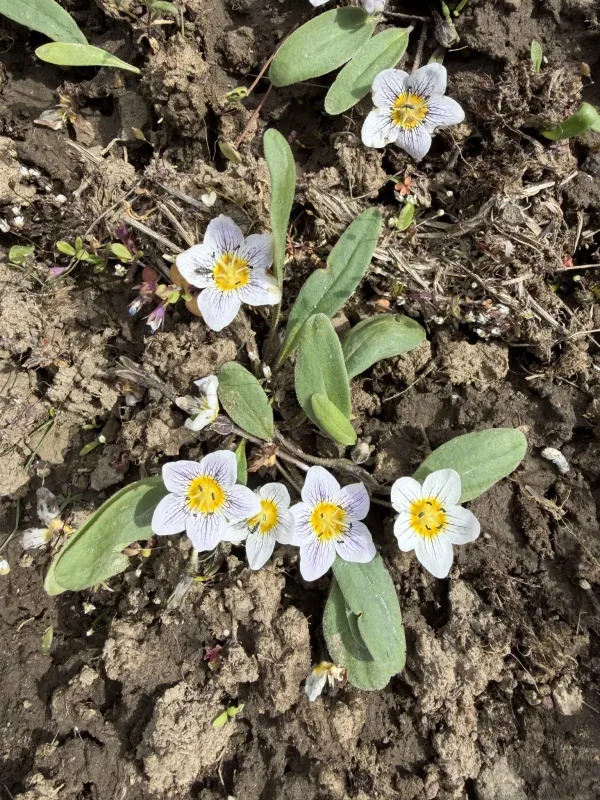
The botanical structure of the plant features a basal rosette of lanceolate leaves. Its flowers are funnel-shaped and often solitary, arising from the center of the rosette on very short peduncles, which provides a compact appearance.
Cultivation of this species requires a well-drained, porous substrate. Waterlogging is detrimental to the plant, so soil structure must allow for efficient gas exchange and drainage to prevent the root system from suffocating during the wet seasons.
Light requirements are significant; the plant thrives in full sun or light partial shade. Adequate solar radiation ensures the proper development of flowers and maintains the compact habit characteristic of the species in the wild.
Main diseases and pests
The primary threat to the health of Hesperochiron pumilus is root rot induced by excess moisture. Proper irrigation management is essential to balance the plant's need for hydration with the requirement for a dry root crown.
Fungal pathogens can be problematic in high-humidity conditions. Ensuring adequate spacing between plants is crucial to promote air circulation, which reduces the incidence of mold and bacterial infections in the leaf foliage.
Slugs and snails represent a significant threat to the plant's foliage. Gardeners should implement integrated pest management strategies, such as physical barriers or environmentally safe molluscicides, during the peak growing season.
Occasional infestations of sap-sucking insects may occur, requiring close monitoring of the foliage. Manual removal or soft insecticidal soaps can be utilized if early signs of pests are detected during routine inspections.
Maintaining balanced soil fertility is vital for plant vigor. Over-fertilization should be avoided, as it can lead to weak, succulent growth that is more susceptible to both environmental stress and opportunistic pest attacks.