
Glandora rosmarinifolia
Glandora rosmarinifolia
Description
Growing requirements
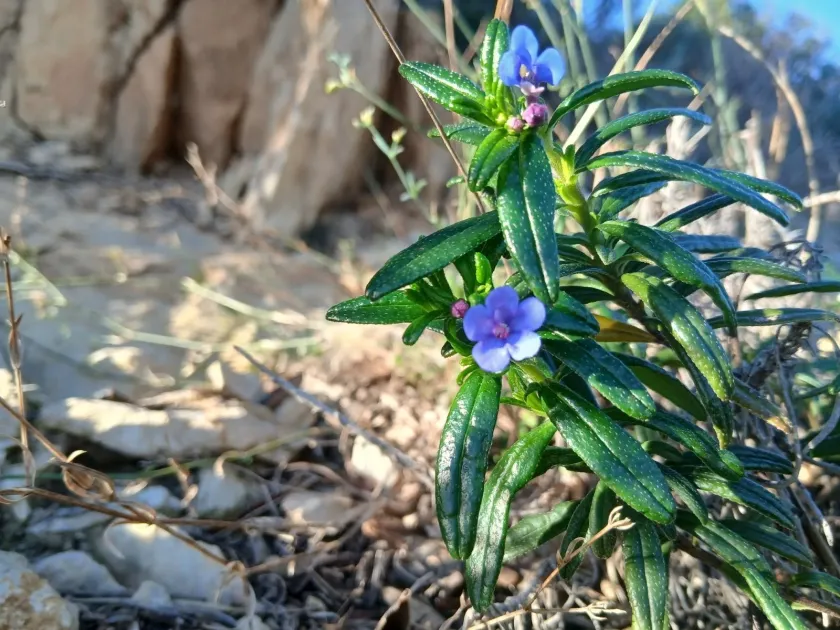
Glandora rosmarinifolia is a notable evergreen subshrub belonging to the Boraginaceae family. It is widely recognized for its dense habit and vivid, intense blue flowers that bloom, providing a striking visual impact in Mediterranean-style gardens.
The plant originates from the rocky limestone regions of Southern Italy and Sicily. This native background dictates its preference for mineral-rich, stony, and extremely well-drained substrates, reflecting its natural habitat on calcareous slopes.
Cultivation requires a location with full sun exposure to thrive and produce its signature abundant blooms. It is essential to ensure the soil pH is neutral or slightly alkaline, as the plant struggles in acidic or waterlogged environments.
Regarding climate, this species is suited for mild regions where temperatures do not drop excessively low. In colder climates, it is typically managed as a container plant, allowing for protection from winter frost in a conservatory or cold greenhouse.
Agronomic maintenance centers on pruning immediately after the flowering season to prevent the plant from becoming woody and sparse. Water should be supplied sparingly, strictly adhering to the "soak and dry" method to avoid root rot.
Main diseases and pests
Root rot is the most common physiological threat to Glandora rosmarinifolia, usually caused by overwatering or inadequate soil drainage. Establishing a gravel base or using a highly porous potting mix is critical for plant survival.
Common pests include spider mites, particularly when plants are grown indoors or in stagnant air conditions. Infestations can cause foliage discoloration, necessitating the use of specialized miticides or systemic insecticidal treatments.
Mealybugs can also infest the dense foliage of the shrub. Control involves physical removal for light infestations or the application of horticultural oils, ensuring the product penetrates the leaf axils where these pests often congregate.
Nutritional disorders, such as iron-deficiency chlorosis, may occur if the soil pH becomes too high, making nutrients unavailable. A balanced approach to fertilization, avoiding excessive nitrogen, helps maintain a compact and healthy appearance.
Good air circulation is the primary cultural defense against fungal diseases. By providing ample space between plants and avoiding overhead irrigation, gardeners can significantly minimize the risk of bacterial and fungal infections.