
Basella
Basella
Basella is a warm-season crop that is highly sensitive to cold temperatures. In regions with temperate climates, seeds should be started indoors about 6-8 weeks before the last expected frost, maintaining a temperature of at least 20°C.
What the section contains

Basella
Transplanting seedlings to the garden or greenhouse should only occur when all danger of frost has passed and the soil has sufficiently warmed up. If planted too early, growth will stall significantly, which can stunt the plant for the entire season.
Seeds should be sown at a depth of about 1 cm in a high-quality, well-draining soil mix. Consistent moisture is required to trigger germination, which typically takes anywhere from 7 to 14 days depending on ambient conditions.
Spacing is crucial for the development of these climbing vines. It is recommended to keep at least 30–40 cm between individual plants, as they produce dense foliage and require ample air circulation to prevent fungal growth.
For better germination rates, soaking the seeds in warm water for 24 hours prior to planting is recommended. This softens the hard seed coat and ensures more uniform emergence of seedlings across the seed tray.
Basella, belonging to the Basellaceae family, is a perennial vine that is typically grown as an annual in cooler regions. It requires full sun exposure, ideally receiving at least 6 to 8 hours of direct sunlight per day.
The crop thrives in fertile, well-draining soil rich in organic matter. A pH level between 6.0 and 7.0 is ideal for optimal nutrient uptake, and regular applications of compost or nitrogen-rich fertilizers can significantly boost leaf production.
Temperature is the most important factor for Basella growth. It prefers a warm climate between 25°C and 30°C. Growth slows significantly if temperatures drop below 15°C, and the plant will perish if exposed to freezing conditions.
Adequate watering is essential for maintaining the succulence of the leaves. While the plant is drought-tolerant once established, providing regular water ensures a higher quality yield and prevents the leaves from becoming tough and bitter.
Because it is a vine, providing a trellis, netting, or a sturdy fence is mandatory. Growing it vertically not only saves space but also keeps the leaves off the ground, reducing the risk of pests and soil-borne diseases.
The yield of Basella is highly productive if the plant is managed correctly. Harvesting can begin once the vine has established itself, usually about 60 to 80 days after planting, by selectively removing the most tender leaves.
Regular harvesting of the tips encourages the plant to branch out, creating a bushier appearance and increasing the overall yield of edible greens. Pinching back the growing points prevents the plant from flowering prematurely.
If flowers do appear, they should be removed if the primary goal is leaf production, as the plant directs its energy into seed development rather than foliage once it begins to bloom. This simple action can extend the harvest window significantly.
Basella leaves are highly nutritious, providing vitamins A and C, iron, and calcium. Their texture is similar to spinach but slightly thicker and juicier, making them versatile for stir-fries, soups, and fresh salads.
With consistent care and appropriate fertilization, a single plant can provide a steady supply of greens for the household throughout the entire summer. Harvesting should be done carefully to ensure the plant continues to photosynthesize effectively.
Common threats to Basella include root rot, which is almost always a result of overwatering or poorly drained soil. Ensuring that the soil remains moist but not waterlogged is the best preventive measure against these fungal issues.
Pests such as aphids and spider mites can attack the succulent leaves, particularly during periods of hot, dry weather. These insects suck the plant sap, causing leaves to curl, yellow, and lose their marketability.
In terms of pest control, it is recommended to use organic methods like neem oil or insecticidal soap sprays. Since the leaves are harvested for direct consumption, the use of harsh synthetic chemical pesticides should be strictly avoided.
Crop rotation and keeping the surrounding area free of weeds are essential cultural practices to reduce the spread of pathogens. Good air circulation through vertical training is the best way to keep the foliage healthy and dry.
- Monitor for signs of pest infestations regularly.
- Avoid over-fertilizing with nitrogen, which can attract sucking insects.
- Ensure the site has adequate drainage to prevent standing water.
Harvesting Basella is a simple task that involves nipping off the younger, more succulent leaves and stem tips. Older leaves can become tough and less palatable, so focusing on the newer growth ensures the best flavor.
After harvest, the leaves should be handled with care as they bruise easily. For best storage results, keep them in a sealed container in a cool place or the refrigerator, where they will remain fresh for several days.
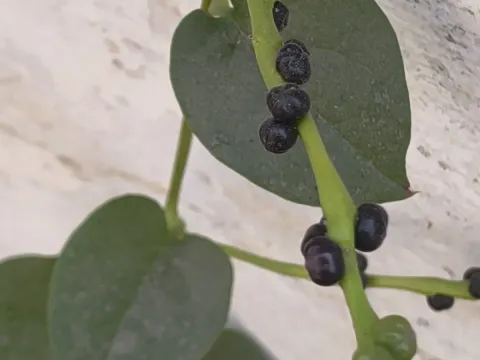
For those interested in seed saving, allow a few of the strongest vines to go to seed at the end of the season. The berries turn from green to a deep, dark purple when they are fully mature and ready for harvest.
When handling the ripe berries, be aware that they contain a strong natural dye that can stain skin and surfaces. Using gloves during the seed collection process is highly recommended to prevent unwanted discoloration.
Properly dried and stored seeds can remain viable for several years if kept in a cool, dark, and dry environment. This makes Basella a very economical crop for gardeners who enjoy propagating their own plants annually.