
Malabar spinach
Basella alba L.
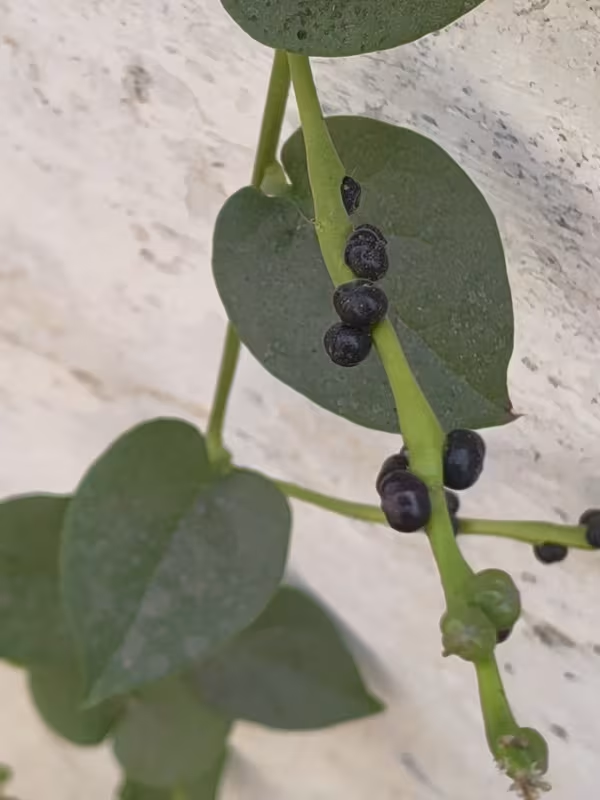
Description
Sowing dates
Malabar spinach is a heat-loving tropical vine, so sowing should only commence when soil temperatures consistently reach at least 20°C to ensure successful germination.
In cooler climates, it is best to start seeds indoors in pots or seed trays approximately 6 to 8 weeks before the expected final spring frost date.
The seeds have a relatively thick seed coat, which can be softened by soaking them in lukewarm water for 24 hours prior to planting to significantly increase germination rates.
Seeds should be sown at a depth of about 1 to 2 centimeters in a well-draining, nutrient-rich potting mix that is kept consistently moist until shoots appear.
Once seedlings have emerged, ensure they receive full sunlight and temperatures around 25°C to promote healthy, vigorous early growth before they are transplanted outdoors.
Growing requirements
Basella alba belongs to the Basellaceae family and is a fast-growing, succulent perennial vine that is typically cultivated as an annual crop in non-tropical regions.
This plant thrives in full sun exposure, although it can tolerate partial shade in extremely hot climates where high noon sun might cause the leaves to scorch.
The soil must be fertile, rich in organic matter, and have a neutral to slightly acidic pH level; excellent drainage is crucial to prevent root rot during rainy periods.
Consistent moisture is the key to high-quality yields, so irrigation should be applied frequently to prevent the soil from drying out, which causes the leaves to become tough.
As a vine, Malabar spinach requires a sturdy trellis, fence, or other vertical support system to climb; this not only saves garden space but also improves air circulation.
Main diseases and pests
The most common pests affecting Malabar spinach include aphids and spider mites, which tend to congregate on the undersides of leaves, especially in hot, dry weather conditions.
Fungal diseases, such as leaf spot or damping-off, can occur if there is excessive moisture or poor ventilation, making the plant susceptible to pathogens.
Gardeners should monitor for snails and slugs, as these pests are highly attracted to the succulent, fleshy leaves of the vine and can cause substantial aesthetic and yield loss.
Maintaining proper spacing between plants helps ensure good airflow, which is the most effective cultural method to reduce the risk of disease development in the garden.
When pest infestations occur, prioritize the use of horticultural soaps or biological control agents to manage populations while preserving the safety of the vegetable crop.
Harvesting
Harvesting can typically begin about 60 to 80 days after planting, once the plant has developed a strong root system and a sufficient number of succulent side stems.
To harvest, simply snip off the tender stems and leaves with sharp shears, which encourages the plant to branch out further and produce even more foliage for future picking.
The leaves are best consumed fresh, as they possess a unique mucilaginous texture and a mild flavor that pairs excellently with stir-fries, soups, and raw salads.
Regular pruning of the vine is highly recommended throughout the growing season to prevent the plant from becoming overgrown and to maintain the production of young growth.
Store harvested greens in a refrigerator crisper drawer in a perforated plastic bag to maintain high humidity and keep the leaves crisp for as long as possible.