
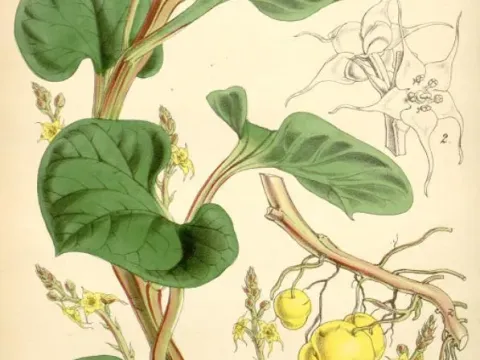
Ulluco
Ullucus
Ulluco is a perennial herbaceous plant belonging to the Basellaceae family, typically grown as an annual crop. In the high altitudes of the Andes, planting usually takes place in spring once the threat of night frost has passed, as the plant is highly sensitive to cold during its initial growth phases.
What the section contains

Ulluco
Propagation is primarily achieved vegetatively by using whole tubers or tuber segments. It is crucial to select healthy planting material that shows no signs of rot to ensure uniform germination and robust early development.
Tubers are planted at a depth of approximately 5 to 8 centimeters. Planting density varies based on soil fertility and light intensity, but rows are typically spaced between 60 and 80 centimeters apart to allow for proper foliage expansion.
In regions with shorter growing seasons, tubers can be pre-sprouted in a warm, well-lit indoor area before planting. This practice significantly reduces the time required for establishment once the tubers are moved to the field.
Ulluco benefits greatly from thoughtful crop rotation. Growers should avoid planting in areas recently occupied by other members of the Basellaceae family to prevent the buildup of soil-borne pathogens and specific host-related pests.
This crop has specific environmental requirements, favoring moderate temperatures between 15 and 20 degrees Celsius. High heat stress can significantly hinder tuber formation and overall plant health, making it an ideal choice for cool, temperate climates.
Ulluco thrives in loose, well-draining, and fertile soils. Waterlogging must be strictly avoided, as it quickly leads to root rot and tuber decay. Well-drained slopes or sandy loam soils are considered the best environments for optimal yield.
Consistent moisture is essential throughout the growing season to support the development of vegetative biomass. While the plant needs regular irrigation, the soil should never become excessively wet or stagnant, as this invites fungal issues.
The plant is sensitive to day length; while long days are beneficial for initial vegetative growth, tuber initiation is triggered by short days. This biological requirement must be considered when planning the planting schedule.
A soil pH between 5.5 and 7.0 is optimal for Ulluco cultivation. Incorporating organic matter such as compost or well-rotted manure before planting helps improve soil structure and provides the nutrients necessary for a healthy harvest.
Yield potential for Ulluco is highly dependent on environmental conditions and the level of agricultural management. When provided with optimal growing conditions, the plant is capable of producing a prolific number of tubers.
Under intensive cultivation practices, yields can range from 10 to 15 tons per hectare. In smaller garden settings, production may vary, but the unique appearance and nutritional profile of the tubers make them a high-value crop.
Ulluco tubers are prized for their vibrant colors and crisp texture, making them a popular niche vegetable. They contain high levels of vitamin C and are appreciated for their culinary versatility in both fresh and processed forms.
Ongoing research and selection are aimed at improving yield stability and adaptability to different altitudes. Varieties specifically bred for regional microclimates generally offer the most consistent and reliable production results.
Market quality is determined not just by weight, but by the physical condition of the tubers. Clean, blemish-free produce commands a premium price and demonstrates superior storage capabilities after harvest.
Viral diseases represent the most significant threat to Ulluco, often transmitted through infected planting material or insect vectors like aphids. Symptoms usually include leaf curling, mosaic patterns, and overall stunting of plant growth.
Fungal pathogens associated with excessive soil moisture are common culprits behind root and tuber decay. Effective disease management centers on rigorous water control and ensuring that fields have adequate drainage.
Nematodes are a persistent soil pest that can damage developing tubers. Effective management strategies include maintaining strict rotation cycles and ensuring that planting material is sourced from verified nematode-free stock.
Slugs and snails can cause damage to foliage, particularly in cool, damp weather conditions. Regular monitoring and the use of physical barriers or integrated pest management techniques are recommended to protect the crop.
To mitigate the risk of disease, growers should only use certified, healthy tubers for propagation. Any plants exhibiting signs of viral infection should be promptly removed and destroyed to prevent the spread to healthy sections of the field.
The harvest phase begins when the foliage begins to yellow and die back, usually signaling that the tubers have reached maturity. This typically occurs in late autumn or early winter, depending on the specific planting date.
Tubers should be lifted carefully from the soil using garden forks, taking great care to avoid mechanical wounding. Any cuts or bruises on the tuber surface significantly increase the risk of decay during the storage period.
Once harvested, tubers should be cleaned of loose soil and cured in a shaded, well-ventilated area. Direct sunlight must be avoided as it can scorch the delicate skin of the tubers and reduce their shelf life.
Storage should take place in a cool, dark, and well-ventilated environment. Ulluco is prone to dehydration, so maintaining a stable humidity level is important to prevent the tubers from shriveling while ensuring they do not rot.
High-quality tubers should be sorted for the next season's propagation. These seeds should be stored separately from the culinary harvest, ensuring the storage environment remains above freezing to preserve their viability.