
Varilla texana
Varilla texana
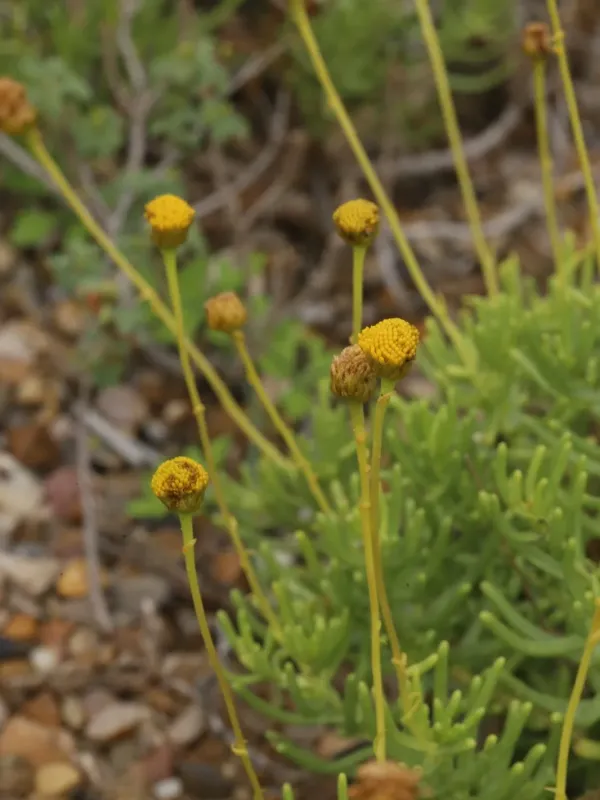
Description
Growing requirements
Varilla texana is a perennial herb belonging to the Asteraceae family. It is typically categorized as a subshrub that exhibits high resilience in harsh, arid environmental conditions.
The plant originates from the Southwestern United States, primarily Texas, and Northern Mexico. It is well-adapted to open, sunny landscapes with low precipitation levels.
Regarding soil requirements, Varilla texana thrives in saline or alkaline soils, often found in challenging terrains where traditional crops struggle to establish themselves.
Botanically, it features narrow foliage and small daisy-like flowers, which are adaptations designed to minimize water loss and maximize photosynthetic efficiency during peak heat.
While not a major commercial agricultural crop, it remains a subject of interest for ecological restoration and understanding desert plant physiology.
Main diseases and pests
Major threats to Varilla texana include habitat loss due to land development and degradation of grazing lands which disrupts its natural development cycle.
Fungal pathogens can pose a risk during unusually wet seasons, as the plant is not accustomed to high humidity levels and poorly drained soil conditions.
Various insect pests, including aphids and specialized beetles, may infest the plant, potentially causing damage to its reproductive organs or leaves during the growing season.
Intense competition from invasive weed species often threatens its survival in habitats where the native ecosystem has already been disturbed by human activity.
Soil erosion caused by overgrazing represents a physical threat to the root systems of these plants, often leading to reduced vigor and increased susceptibility to diseases.