
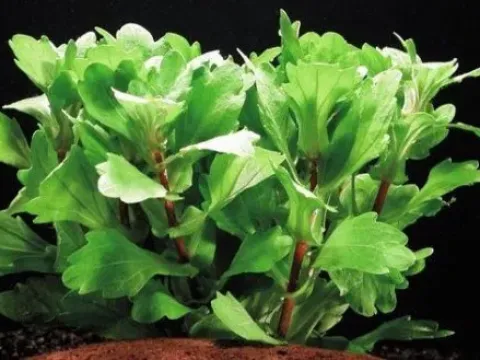
Trichocoronis
Trichocoronis
Trichocoronis is a genus of perennial herbaceous plants belonging to the Asteraceae family. While not a conventional agricultural crop, it holds a specialized place in aquatic horticulture and botanical collections due to its unique growth habits in wetland environments.
What the section contains

Trichocoronis
Native to North and Central America, these plants are primarily found in marshes, along riverbanks, and in shallow water bodies. Their evolution has equipped them to thrive in saturated conditions, where they contribute to local biodiversity and serve as essential components of wetland ecosystems.
Cultivation requirements for Trichocoronis revolve around consistent moisture levels and adequate light exposure. The species performs best in nutrient-rich, neutral-to-acidic substrates that mimic their natural marshland habitat. Maintaining stable water levels is critical for successful long-term growth.
In terms of agricultural techniques, propagation is almost exclusively conducted through vegetative cuttings. The stems are capable of producing adventitious roots rapidly, which facilitates the establishment of new colonies in hydroponic setups or ornamental ponds.
Temperature management is a key aspect of their care. Being generally adapted to warmer climates, these plants require protection from freezing temperatures. In controlled environments, providing a steady temperature range ensures vigorous growth and prevents dormancy issues.
Fungal diseases related to excessive humidity and poor water circulation represent the primary threat to the health of Trichocoronis. When the water quality degrades, the risk of stem and root rot increases significantly, potentially decimating a population.
Pests such as aphids and various leaf-eating larvae pose a regular challenge in outdoor settings. Integrated pest management strategies that utilize non-toxic solutions are preferred to protect both the plant and the surrounding aquatic ecosystem from chemical contamination.
Nutrient deficiency, particularly manifesting as leaf chlorosis, is a common issue when the water environment lacks necessary trace elements. Correcting the water chemistry is essential to restore the vigor of the plant and prevent further physiological decline.
Epiphytic algae accumulation on the plant surface is another major threat. By blocking light and hindering gas exchange, heavy algal blooms can suffocate the plants, leading to a rapid reduction in the overall health and density of the colony.
Aggressive invasive species in the same ecological niche often compete for space and resources, which can lead to the displacement of Trichocoronis. Regular maintenance and thinning are recommended to ensure the plant maintains its position in the aquatic landscape.