
Oligochaeta ramosa
Oligochaeta ramosa
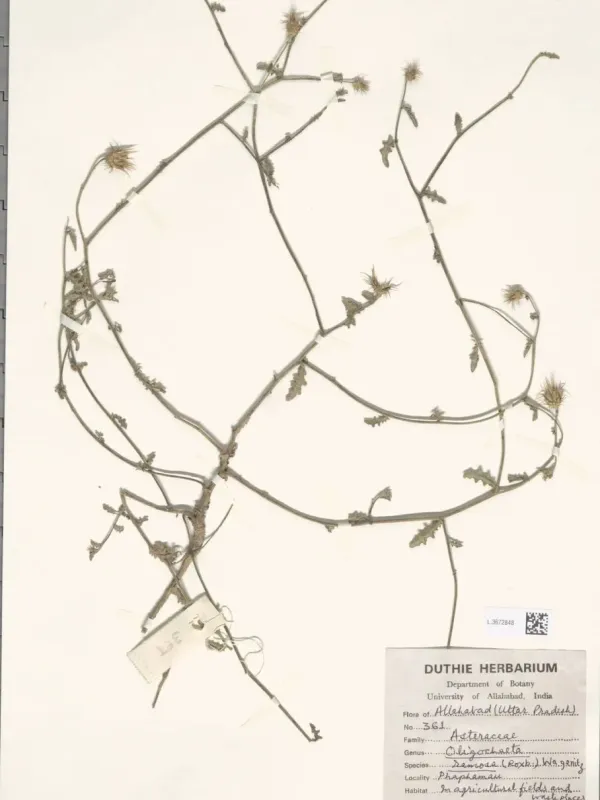
Description
Sowing dates
Oligochaeta ramosa belongs to the Asteraceae family and requires specific preparation for optimal sowing during the spring season.
Seeds should be planted in well-prepared soil once the temperatures reach stable levels, generally starting from mid-spring for best germination results.
The optimal sowing depth is shallow, approximately 1-2 centimeters, ensuring the small seeds maintain adequate contact with soil moisture.
A row-based planting system is recommended to facilitate proper weeding and to ensure that each plant receives sufficient sunlight and nutrients.
Careful seedbed preparation is vital to ensure uniform emergence, which simplifies subsequent field management and promotes a stronger start for the crop.
Growing requirements
This crop performs best in fertile, well-drained soils and shows a preference for sunny locations where it can access full sunlight.
The plant is known for its resilience and ability to withstand periods of dryness once the root system has been properly established.
It is important to avoid areas prone to waterlogging, as the root system is sensitive to excessive moisture and poor aeration.
Soil pH levels should be monitored, as neutral to slightly alkaline soil conditions favor the most vigorous development of the vegetation.
Maintaining adequate nitrogen and potassium levels in the soil is crucial during the early vegetative phase to support healthy stem and leaf development.
Yield
The biomass yield of Oligochaeta ramosa is highly dependent on effective crop management and consistent moisture availability throughout the season.
Proper thinning of plants ensures that individual specimens have enough space to grow, which directly contributes to higher overall productivity.
Optimal harvest timing is essential to ensure that the yield contains the highest possible concentration of desired bioactive compounds.
Using certified seeds and adhering to localized fertilization programs can lead to significant increases in the harvested weight of the crop.
Regular monitoring of field conditions allows farmers to make adjustments that protect the yield potential from environmental stressors.
Main diseases and pests
Fungal diseases are the primary concern for this crop, especially in environments where ventilation is poor and humidity levels are too high.
Common agricultural pests such as aphids and spider mites may impact foliage, requiring proactive monitoring and potential biological control.
Weed control is of utmost importance during the initial growth stages, as the plant is sensitive to competition from aggressive wild grass species.
Adhering to proper crop rotation schedules helps to minimize the accumulation of specific soil-borne pathogens that can damage the root systems.
An integrated pest management approach is recommended to maintain a healthy crop while minimizing the need for synthetic chemical applications.
Harvesting
Harvesting should be conducted during the peak flowering stage to capture the highest concentration of the plant's essential components.
Dry weather conditions are ideal for harvesting to ensure that the material can be dried properly without the risk of microbial contamination.
Prompt post-harvest processing is necessary, as the biomass must be transferred to drying facilities immediately to prevent quality degradation.
Seed harvesting requires careful timing, as the plants are prone to shattering, which could result in significant yield losses if delayed.
Proper storage in cool, dry, and dark environments ensures that the harvested material retains its efficacy and quality for commercial use.