
Mauranthemum paludosum
Mauranthemum paludosum
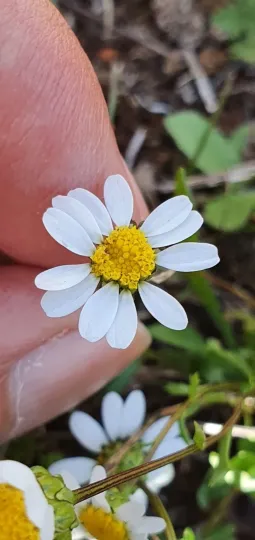
Description
Sowing dates
Mauranthemum paludosum, commonly known as the creeping daisy or swamp chrysanthemum, is a charming annual member of the Asteraceae family. It is widely cultivated for its compact habit and prolific daisy-like flowers.
Direct sowing in the garden should be done in early spring after the risk of severe frost has passed. The seeds are very fine and require a shallow sowing depth, barely covered by a light layer of soil to ensure germination.
Indoor sowing can begin in late winter to secure an early bloom. Using high-quality seed starter mix helps maintain the necessary moisture levels and provides a clean environment for delicate seedlings to develop their root systems.
Seedlings need to be kept in a well-lit area to prevent legginess. Once the plants reach a stage of having several sets of true leaves, they should be hardened off before being transplanted into their final garden beds.
Spacing is essential for the health of Mauranthemum paludosum. Planting them approximately 20 to 30 centimeters apart allows for proper airflow, which is critical in preventing foliage diseases and ensuring a uniform growth pattern.
Growing requirements
This species thrives in full sun exposure. While it is adaptable to various conditions, the best floral display is achieved when the plants receive at least six to eight hours of direct sunlight every day throughout the growing season.
Soil quality should be light, well-draining, and moderately fertile. Despite the scientific name implying a swamp origin, the plant does not tolerate waterlogged conditions and prefers soil that retains enough moisture without becoming saturated.
Watering requirements are consistent during the active growing phase. It is best to water at the base of the plant to keep the foliage dry, which minimizes the risk of leaf spot and other moisture-related ailments.
Fertilization with a balanced, slow-release fertilizer at planting time provides the nutrients needed for sustained blooming. Avoid excessive nitrogen, as it encourages leafy growth at the expense of flower production.
Mulching around the base of the plants can help retain soil moisture and suppress weeds. However, ensure the mulch does not directly touch the stem to prevent potential crown rot or fungal infections in cooler weather.
Main diseases and pests
The primary threats to Mauranthemum paludosum are fungal pathogens such as powdery mildew and root rot. These issues are most prevalent in areas with high humidity, poor air circulation, or heavy, compacted soils that do not drain effectively.
Aphids are the most common insect pests associated with this crop. They tend to cluster on succulent new growth and flower buds, weakening the plant and sometimes acting as vectors for viral diseases if left untreated.
Slugs and snails can cause significant damage to young seedlings in the spring. Implementing physical barriers or organic bait can effectively manage these pests before they inflict irreparable damage on the early growth stages.
Integrated pest management (IPM) is recommended for this crop. Regular monitoring allows for early detection of infestations, enabling gardeners to use targeted treatments rather than broad-spectrum chemical applications.
Good sanitation practices, such as removing dead plant material and controlling weeds, are essential for maintaining a healthy planting environment and reducing the overwintering sites for potential garden pests and pathogens.