
Hilliardiella aristata
Hilliardiella aristata
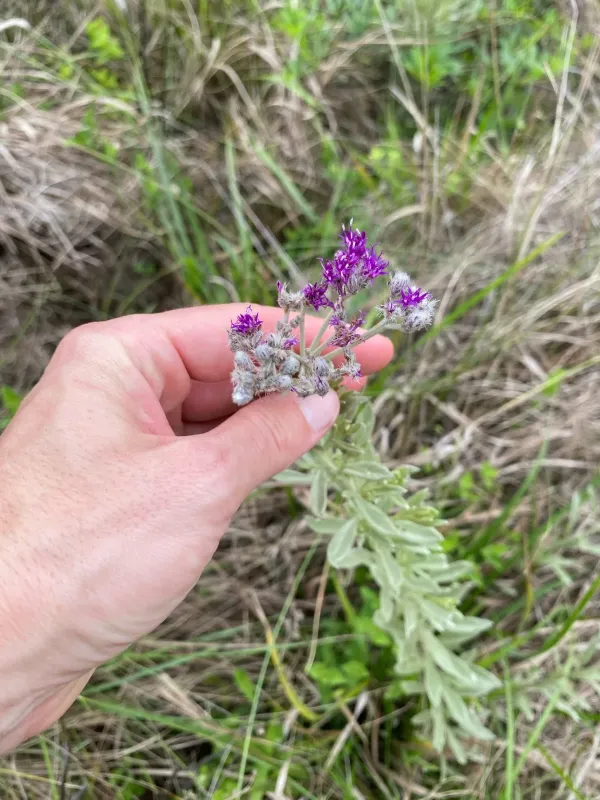
Description
Growing requirements
Hilliardiella aristata is a perennial herbaceous plant belonging to the Asteraceae family. It is recognized for its adaptive morphological traits, which have historically linked it to the Vernonias, reflecting its taxonomic complexity within the tribe Vernonieae.
The species is native to the southern regions of Africa, where it thrives in natural grassland ecosystems. This geographical distribution defines its environmental plasticity regarding seasonal moisture and temperature fluctuations.
For cultivation purposes, well-draining, nutrient-permeable soils are essential. The crop performs best in substrates that mimic the natural sandy or loamy textures of its native habitat, ensuring no waterlogging occurs during growth cycles.
Climate requirements include a preference for temperate to warm conditions with significant solar exposure. Consistent light is vital for the optimal accumulation of secondary plant metabolites, which are key to the plant's economic and medicinal value.
Agricultural management requires attention to soil pH balance, as the plant prefers slightly acidic to neutral conditions. Strategic nutrient application, focused on organic amendments, supports sustainable production of raw botanical material.
Main diseases and pests
The primary threats to the crop include fungal pathogens that exploit high humidity and poor ventilation. Powdery mildew is a recurrent issue in poorly spaced plantings where air circulation is restricted.
Insect pests, specifically aphids and spider mites, pose significant challenges during the hot, dry season. These pests can severely impact the quality of the foliage if left uncontrolled during the early stages of development.
Root rot, often caused by soil-borne pathogens in waterlogged environments, remains the most devastating threat. Ensuring proper drainage is the most effective preventative measure against these infections.
Competitor plant species can suppress the growth of Hilliardiella aristata by shading it and depleting soil nutrients. Proper field sanitation and mechanical weeding are necessary to ensure the crop remains the dominant species in the area.
Integrated Pest Management (IPM) strategies are highly recommended to balance productivity with ecological safety. Regular field surveys are essential to catch infestations before they reach economic damage thresholds.