
Hidalgoa ternata
Hidalgoa ternata
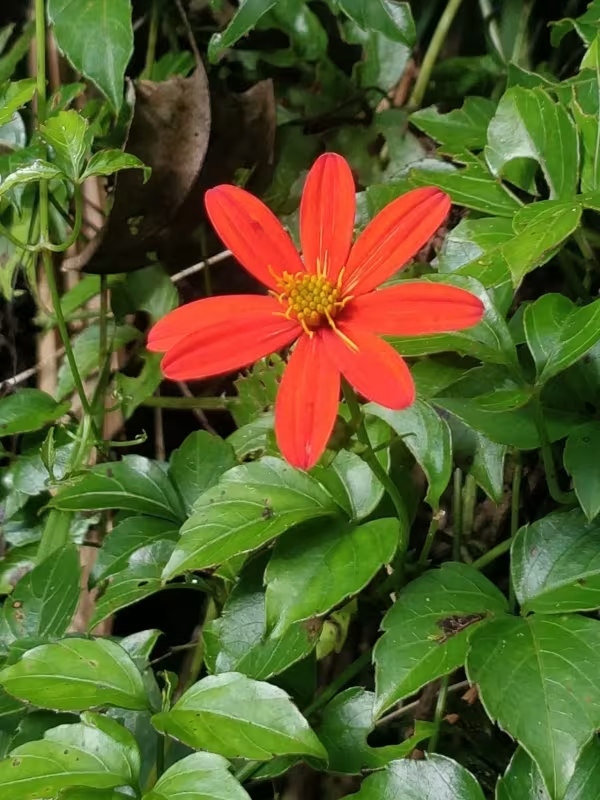
Description
Growing requirements
Hidalgoa ternata, commonly known as the Climbing Dahlia, belongs to the Asteraceae family. This vigorous climbing plant originates from the tropical rainforests of Mexico and is highly valued for its delicate foliage and bright flowers.
The plant requires a warm, sheltered environment to thrive. It performs best in full sun to partial shade, where it can climb using its leaf petioles to wrap around supports. Providing a sturdy trellis or mesh is essential for vertical growth.
Soil requirements include a rich, well-draining potting mix or fertile garden loam. It is sensitive to waterlogged conditions, so ensuring excellent drainage in the planting site or container is crucial to prevent root damage.
Temperature management is critical for this species. It is a tender perennial and should be protected from temperatures below 10°C. In temperate climates, it is often grown as an annual or brought indoors for the winter.
Regular maintenance involves consistent watering to keep the soil moist but not soggy, alongside bi-weekly fertilization with a balanced liquid fertilizer during the growing season to encourage constant blooming.
Main diseases and pests
Common pests that affect Hidalgoa ternata include spider mites, aphids, and whiteflies. These sap-sucking insects are particularly problematic in dry indoor environments or during hot, stagnant summer weather.
Fungal issues such as powdery mildew can occur if the plant lacks sufficient air circulation. This appears as a powdery white substance on the leaves, which can reduce the overall health and aesthetics of the vine.
Effective management strategies include washing the foliage with mild soap solutions to remove pests and utilizing neem oil or horticultural oils for organic control of infestations in their early stages.
Root rot is a significant threat associated with overwatering or poorly aerated growing media. Ensuring that the surface of the soil dries slightly between waterings is a standard preventative agronomic practice.
Monitoring the plant health involves regular inspections of the undersides of the leaves, where pests often congregate, and removing any yellowing or diseased leaves to promote better airflow throughout the canopy.