
Grindelia chiloensis
Grindelia chiloensis (Cornel.) Cabrera
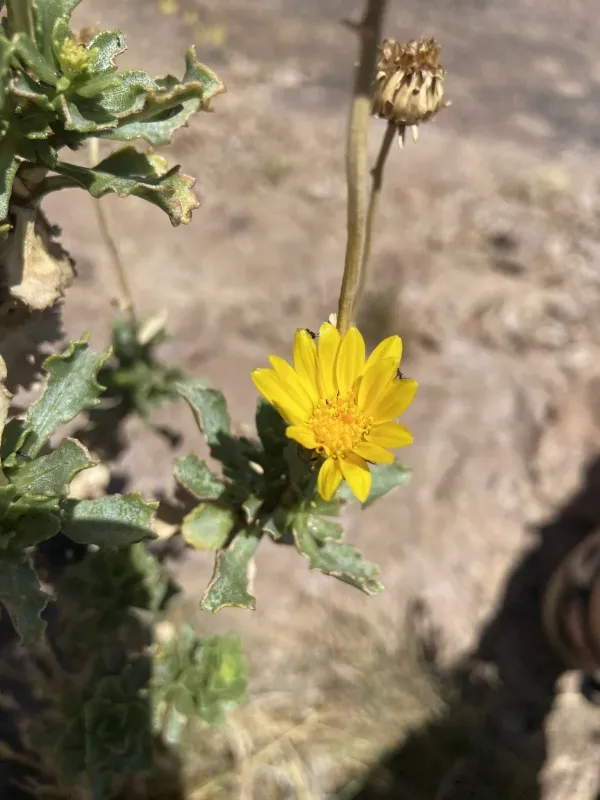
Description
Sowing dates
Grindelia chiloensis is a perennial subshrub, so sowing is primarily recommended in the spring period when the soil warms up to a temperature of 12–15 degrees Celsius.
The optimal method is the transplanting approach, which allows for more uniform emergence and provides protection for young plants against weeds, which the crop competes with poorly in the early stages.
For direct seeding into the soil, seeds should be sown at a shallow depth, no more than 1–2 centimeters, given their small size and light-dependent germination nature.
The planting pattern should ensure sufficient distance between rows — about 50–60 centimeters — to allow for normal bush aeration and facilitate mechanized maintenance.
In industrial cultivation conditions, it is important to carry out pre-sowing soil preparation, including deep loosening and the application of balanced mineral fertilizers to ensure a quick start.
Growing requirements
The crop belongs to the Asteraceae family and has high light requirements, preferring open areas with direct sunlight throughout the entire day.
The plant is moderately demanding regarding soil conditions: it prefers light, well-drained sandy or sandy loam soils with a neutral or slightly alkaline pH.
Grindelia chiloensis has a pronounced xerophytic adaptation, meaning it can tolerate short periods of drought; however, regular watering during the active growing phase is necessary for high biomass yield.
The plant does not tolerate excessive moisture or water stagnation, which can lead to root system decay, especially in heavy clay soils.
In its natural habitat (Argentina, Chile), the plant grows in a moderately hot climate, so when introducing the crop to new regions, it is important to consider the minimum temperatures of the growing area.
Yield
The primary value of Grindelia lies in the resinous substances coating the inflorescences and leaves, which determines the specific timing and methods of harvesting.
Inflorescences are harvested during the period of mass flowering, as the concentration of active resins and diterpene acids reaches its peak during this phase.
Yields of green mass and inflorescences vary significantly depending on planting density, soil fertility levels, and moisture availability during the summer season.
For industrial use, it is crucial to dry the raw material in well-ventilated conditions at a temperature not exceeding 40 degrees Celsius to avoid the loss of volatile compounds.
The industrial use of the crop is concentrated in the pharmaceutical and chemical industries, where plant extracts serve as components for anti-inflammatory and expectorant medications.
Main diseases and pests
Grindelia chiloensis exhibits high resistance to common pests of many agricultural crops due to the presence of specific resins on the surface of its vegetative organs.
However, under high humidity, the plants can be affected by fungal diseases, such as powdery mildew or various types of root rot if agronomic practices are violated.
Potential pests include aphids, which may colonize young shoots, weakening the plant and reducing the intensity of the accumulation of valuable resinous substances.
Disease prevention consists of maintaining optimal planting density, ensuring high-quality ventilation of the stands, and preventing waterlogging of the soil.
The use of fungicides on grindelia plantations is justified only in cases of mass infestation, as residual pesticide levels can reduce the quality of the harvested medicinal raw material.
Harvesting
Harvesting grindelia is a labor-intensive process that requires precision in determining the timing, as the chemical composition of the plant changes within just a few days after flowering begins.
The main harvesting method involves manual or mechanized cutting of the upper part of the flower stalks along with the leaves, which are the richest in resins.
The harvested material must be promptly transported to a primary processing or drying facility to prevent self-heating of the plant mass in piles.
For long-term storage, the raw material must be dried to a stable moisture level (usually no more than 10–12 percent) and then packaged in airtight paper or cloth bags.
Storage should be carried out in dry, cool, and dark rooms to prevent the oxidation of active components caused by exposure to sunlight and heat.