
Glossopappus macrotus
Glossopappus macrotus
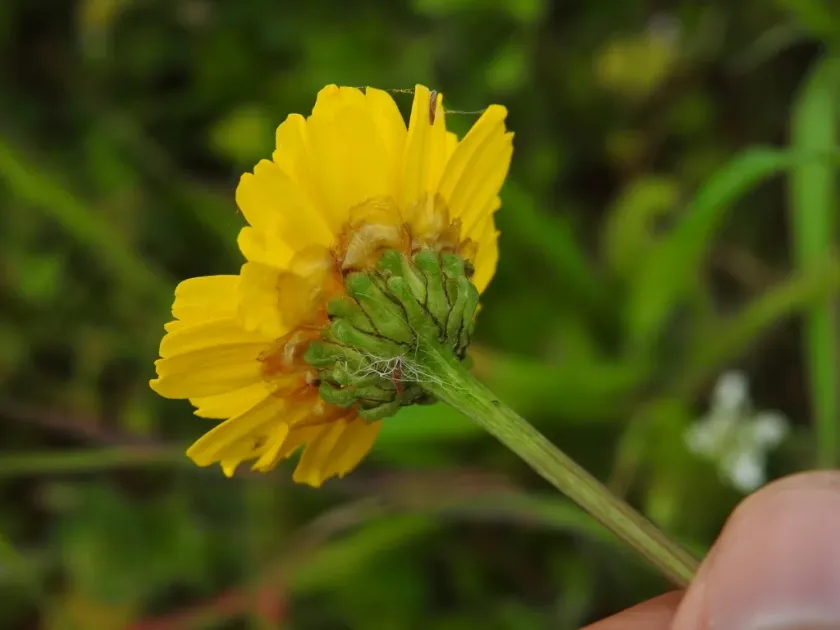
Description
Sowing dates
Glossopappus macrotus is an annual herbaceous plant belonging to the Asteraceae family. Its life cycle is primarily adapted to the spring seasons of Mediterranean-type climates, characterized by a rapid growth phase followed by seed dispersal before the peak summer heat.
Sowing should take place in early spring, once soil temperatures consistently reach 8-10 degrees Celsius. Providing an adequate water supply during the initial germination phase is crucial, as the seeds require consistent moisture to break dormancy and establish a viable root system.
Seeds should be planted at a shallow depth of 1-2 centimeters. Uniform seeding density is essential to minimize competition and ensure that each plant receives sufficient access to sunlight and soil nutrients, which is vital for reaching maturity.
Preparation of the seedbed involves fine-tuning soil tilth to improve contact between seeds and the soil profile. The plant typically exhibits high germination vigor, leading to emergence within two weeks if environmental conditions are kept optimal.
In field production, timing is critical to ensure the crop completes its reproductive phase before environmental stress becomes too high. Adjusting sowing dates can help manage the harvest window and maximize the yield of both green mass and seeds.
Growing requirements
This species thrives in light, well-drained soils, such as sandy or loamy textures, reflecting its native adaptation to Mediterranean environments. It is highly tolerant of nutrient-poor soils, making it an excellent candidate for reclamation projects.
The plant requires high levels of solar radiation for optimal development. It is considered a xerophytic species, meaning it can withstand periods of low water availability, though it prefers moderate moisture during the vegetative growth stage to maximize yield.
Soil pH should preferably be neutral to slightly alkaline. Poor drainage is the most significant limiting factor, as the roots are highly susceptible to hypoxia and fungal rot when waterlogged for extended periods.
Glossopappus macrotus shows a notable tolerance to soil salinity, allowing for successful growth in challenging environments where other crops might fail. The ideal temperature range for vegetative growth is between 18 and 25 degrees Celsius.
Fertilization management should be conservative. Excessive nitrogen application tends to favor vegetative over-growth at the expense of floral development, which can lead to reduced seed output and plant lodging under wind pressure.
Yield
The primary agricultural use of this plant is for forage production and soil conservation. It serves as a valuable component in pasture mixtures, particularly in arid or semi-arid regions where soil stabilization is a priority.
Yield capacity for biomass is highly dependent on spring rainfall patterns. When conditions are favorable, the crop produces a dense canopy that can effectively suppress invasive weeds and prevent soil erosion through wind and water action.
Seed production is consistent, and the plant has a strong tendency for self-seeding, which reduces the necessity for repeated soil disturbance in long-term cultivation settings. Harvesting seeds requires mechanized equipment timed to the maturity of the floral heads.
Its role as a forage crop is notable for early-season availability. Livestock consume the foliage readily, and it provides a necessary boost of organic matter when incorporated back into the soil as green manure during its vegetative stage.
Economically, the crop provides low-input value, making it attractive for sustainable agricultural systems. By integrating this species into crop rotations, farmers can improve soil quality while obtaining a reliable source of green matter or seeds.
Main diseases and pests
The main threats to Glossopappus macrotus include fungal diseases caused by excessive humidity or poor ventilation in dense stands. Powdery mildew is the most common condition that can negatively impact photosynthetic capacity.
Insect pests, such as aphids and leaf miners, can damage tender tissues during the early growth stages. Integrated pest management (IPM) strategies, including biological control, are recommended to maintain ecological balance while protecting the crop.
Root rots remain the most severe risk in heavy, clay-rich, or poorly drained soils. Avoiding these soil types and implementing proper crop rotation cycles are the most effective preventative measures against underground pathogen proliferation.
Weed control is essential in the first month following emergence. Mechanical weeding between rows is effective, as chemical herbicides may have variable efficacy and potential toxicity risks to the plant's delicate tissues.
Finally, insect damage to flower heads during the reproductive stage can lead to a significant reduction in seed yield. Regular field monitoring is necessary during the flowering period to assess the need for protective measures to safeguard seed harvest.