
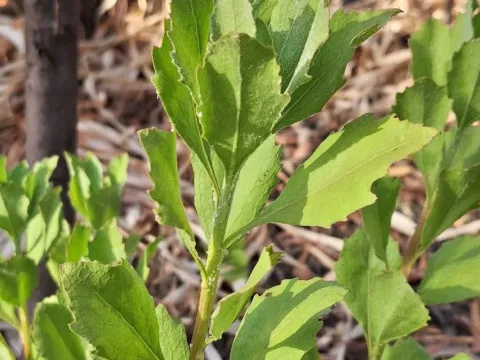
Chrysanthemoides
Chrysanthemoides
Chrysanthemoides is a genus of flowering plants belonging to the Asteraceae family. Native primarily to Southern Africa, these evergreen shrubs are well-adapted to coastal environments and arid conditions. Their biological structure allows them to thrive in regions where other species struggle due to water scarcity or saline soils.
What the section contains
Chrysanthemoides
Botanically, these plants are known for their leathery foliage and small, bright yellow daisy-like flower heads. The genus is widely recognized for its high ecological plasticity, which is a result of evolutionary adaptation to the diverse climates of the Cape Floristic Region, ensuring survival in varying light and wind conditions.
Regarding soil and climate requirements, Chrysanthemoides prefers well-drained, sandy, or loamy soils. It demands significant sunlight to maintain its structural integrity and foliage color. The plant is considered tender to frost, making it suitable mainly for Mediterranean or mild oceanic climates where winter temperatures remain above freezing.
Agricultural and landscape management involves minimal intervention once the plants are established. They are commonly used for slope stabilization, creating windbreaks, and as low-maintenance ornamental shrubs in public spaces, contributing to erosion control through their extensive root systems.
The cultural techniques for Chrysanthemoides include strategic pruning to maintain shape and density. Proper spacing is essential to ensure adequate air circulation, which prevents the build-up of moisture and humidity around the base of the plant, thus supporting long-term health and growth.
The most significant threats to Chrysanthemoides involve fungal pathogens affecting the root system, often triggered by waterlogged conditions. Inadequate soil drainage is the primary cause of root rot, which can quickly become fatal for the plant if not addressed through soil modification.
Pests such as aphids and spider mites are frequent invaders, especially during prolonged dry spells or in greenhouse conditions. These pests typically congregate on the undersides of leaves, draining sap and potentially causing stunted growth or leaf yellowing if left uncontrolled.
Environmental stress, such as prolonged shade or extreme humidity, can also compromise the plant's natural defenses, leading to increased susceptibility to opportunistic infections. Monitoring for changes in leaf texture or color is vital for early detection of such issues.
Management strategies should focus on preventive cultural practices, such as choosing well-drained planting sites and avoiding overhead irrigation. If pest populations exceed economic thresholds, the application of horticultural soaps or specific biological agents is recommended over broad-spectrum chemicals.
Maintaining a clean cultivation area free of debris helps reduce the habitat for soil-borne pathogens. By integrating these practices, growers can maintain robust Chrysanthemoides populations with minimal reliance on synthetic inputs, preserving the ecological balance of the site.