
Asteriscus maritimus
Asteriscus maritimus (L.) Less.
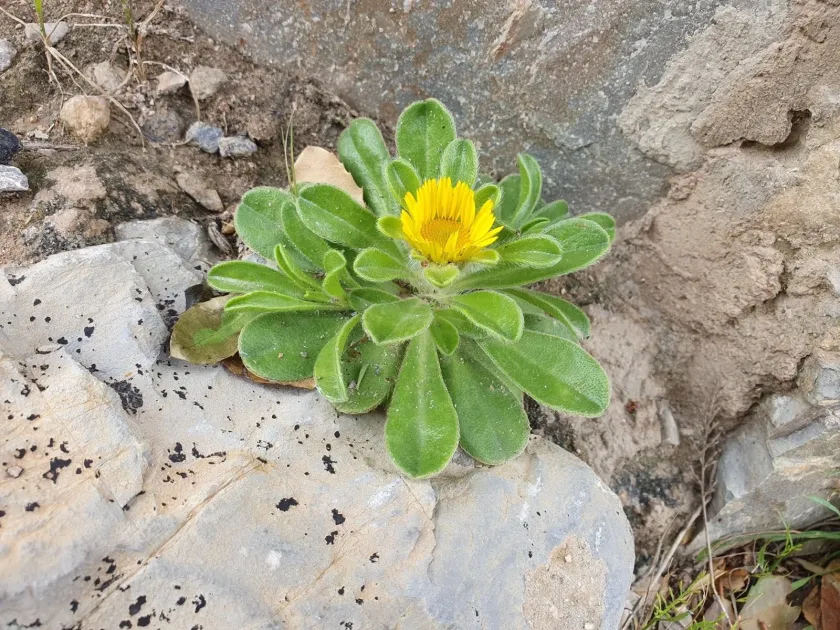
Description
Sowing dates
Seeds of Asteriscus maritimus should be sown in a sterile, well-draining seed-starting mix during late winter or early spring. Surface sowing is recommended as the seeds require exposure to light for successful germination.
Maintaining a constant temperature of approximately 20 degrees Celsius is essential for uniform germination. A transparent cover can be placed over the tray to keep humidity levels high while ensuring the seeds are not buried under a layer of soil.
Once seedlings have developed two sets of true leaves, they should be transplanted into individual pots to avoid root crowding. This step is crucial for establishing a healthy, branching root system before the final planting stage.
Hardening off the seedlings is a mandatory process that involves gradually introducing the plants to outdoor conditions. This preparation period typically lasts for two weeks, ensuring the plant can withstand sun and wind exposure.
Planting out into the final garden location should take place after the danger of frost has passed. Spacing plants about 30 to 45 centimeters apart allows for sufficient air circulation and expansion of the mature clumps.
Growing requirements
This species is highly adapted to coastal conditions, requiring full sun exposure to maintain its compact habit. A minimum of six to eight hours of direct sunlight is necessary for optimal bloom production.
The soil must be well-draining and lean, as Asteriscus maritimus does not tolerate waterlogged conditions. Rocky, sandy, or alkaline soils are ideal, mirroring its natural Mediterranean habitat.
Watering should be managed carefully, ensuring the soil dries out significantly between applications. While the plant is drought-tolerant once established, container-grown specimens require more frequent irrigation.
Fertilization is rarely necessary in nutrient-poor soils, but a light application of a balanced, low-nitrogen liquid fertilizer can be applied in mid-spring to support flower production.
In colder climates, it is essential to provide winter protection or move containers to an unheated greenhouse. The plant can survive short periods of light frost but will suffer significant damage if temperatures drop consistently below zero.
Main diseases and pests
Overwatering is the primary cause of decline for this species, leading to root rot and collapse. Ensuring the drainage is adequate is the most effective preventative measure against such diseases.
Pests like spider mites can become an issue in hot, dry weather. These insects typically inhabit the undersides of leaves and can be identified by fine webbing and yellow stippling on the foliage.
Aphids may occasionally cluster on flower buds during the spring. Gentle sprays of horticultural soap or a pressurized water stream are often sufficient to remove them without harming the plant.
Fungal issues, such as powdery mildew, may occur if the plants are placed in areas with poor airflow. Maintaining correct spacing and avoiding overhead watering helps to reduce this risk considerably.
Sanitation is key; removing faded flowers and yellowing foliage prevents the buildup of organic matter that can foster pathogens. A healthy, vigorous plant is naturally more resistant to common pests.