
Ammobium alatum
Ammobium alatum R. Br.
Description
Sowing dates
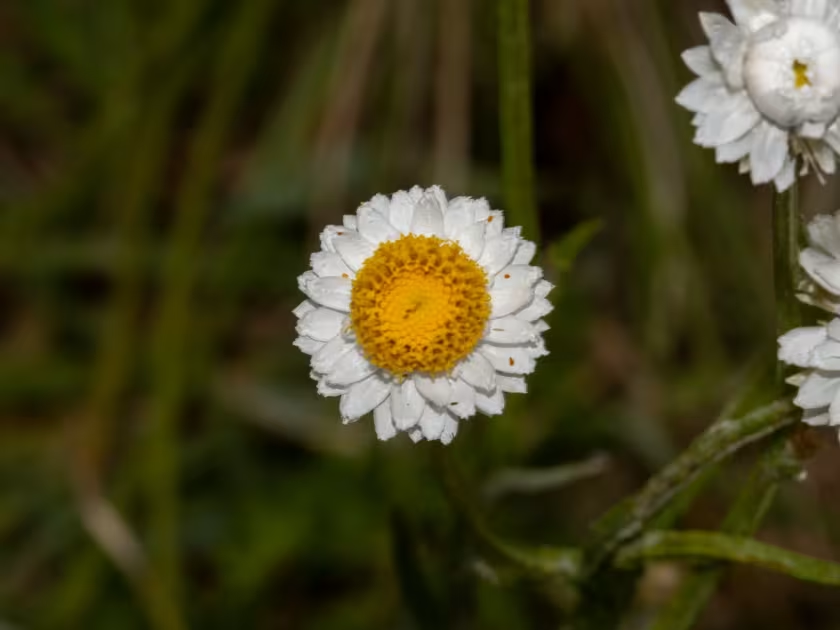
Ammobium alatum, commonly known as the winged everlasting, is an annual plant in the Asteraceae family widely cultivated for its high-quality dried flowers.
Seeds should be sown indoors in March or early April using a light, well-draining potting mix, maintaining an optimal temperature of 18–20°C for germination.
In regions with mild climates, direct outdoor sowing is possible in late May, ensuring all risk of frost has passed to protect the sensitive young seedlings.
When starting indoors, seedlings should be pricked out into individual pots once they develop their first true leaves to prevent root disturbance during later planting.
Using peat or biodegradable pots is highly recommended, as this plant species is known to be particularly sensitive to root damage during the transplanting process.
Growing requirements
Native to Australia, this plant thrives in full sun and requires well-draining, sandy, or loamy soil to perform optimally throughout the growing season.
Ammobium alatum is highly drought-tolerant, meaning overwatering is a primary concern for growers; ensure soil moisture is kept at a moderate level.
Soil should have a neutral to slightly acidic pH, and excess fertilization, especially with nitrogen, must be avoided to maintain strong, sturdy stems.
Proper spacing of 25–30 cm between plants is essential to encourage airflow, which significantly reduces the humidity trapped within the plant canopy.
During the budding phase, applying a balanced potassium-phosphorus fertilizer can improve overall flower quality and stem structural integrity for harvesting.
Main diseases and pests
The primary threats to this crop include fungal pathogens, such as root rots and powdery mildew, which are often triggered by excessive humidity or poor soil drainage.
Cultural control methods, including weed management and ensuring adequate sunlight, remain the most effective strategies for preventing disease outbreaks.
Pests like aphids and spider mites can infest the foliage, particularly during hot and dry spells, necessitating regular crop monitoring and early intervention.
Applying environmentally friendly insecticidal soaps or systemic treatments may be necessary if pest populations exceed economic thresholds for floral quality.
Regular sanitation of the planting area is crucial to prevent the overwintering of pathogens and to maintain the overall health of the floral stand.
Harvesting
Harvesting for the dried flower market should be performed when the yellow center of the flower head is firm but the white florets have not yet fully expanded.
Always harvest in the morning once dew has evaporated, ensuring that the flower stems are completely dry before they are bundled and hung for drying.
Bundles should be hung upside down in a cool, dark, and well-ventilated location, as darkness helps to preserve the natural brightness of the white petals.
Proper drying typically takes several days to a few weeks depending on ambient humidity, resulting in a durable product suitable for professional floristry.
Once fully dried, the flowers retain their shape and color for an extended period, making them an excellent choice for both permanent arrangements and winter bouquets.