
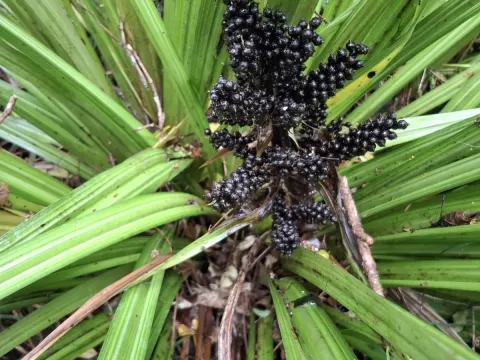
Astelia
Astelia
Astelia is a genus of perennial herbaceous plants belonging to the Asteliaceae family. Native to the Southern Hemisphere, particularly New Zealand, Australia, and the Pacific Islands, these plants are highly valued for their ornamental, sword-shaped, and often silvery or metallic foliage.
What the section contains


Astelia
These plants thrive in well-draining, humus-rich soil that mimics their natural forest or alpine habitats. Good aeration for the root system is essential, as the roots are highly susceptible to rot if kept in waterlogged conditions for extended periods.
When choosing a site, select a location with bright, indirect light. While some varieties can tolerate partial sun, intense direct exposure often scorches the leaves, especially in warmer climates where the intensity of UV light is high.
Climate requirements vary by species, but generally, Astelia plants are sensitive to frost and prefer mild, temperate conditions. In regions with freezing winters, they must be treated as container plants and moved to a sheltered environment during the cold season.
The agricultural practice for Astelia involves consistent irrigation that keeps the soil moist but never soggy. Feeding with a balanced, water-soluble fertilizer during the spring and summer months helps maintain the plant's structural integrity and leaf color.
The most common biological threats to Astelia are root pathogens, specifically fungal rots occurring in overly wet environments. Preventing standing water in the potting medium is the primary defense against these debilitating diseases.
Scale insects and spider mites are the most frequent pests, especially when the plant is kept in indoor environments with limited airflow and low humidity. These pests can cause significant leaf discoloration and weaken the plant's vitality.
Mealybugs may also infiltrate the leaf axils, hiding within the tight foliage structures. Regular inspections and the use of targeted insecticidal soaps are effective methods to manage and eliminate these infestations before they spread.
Leaf tip necrosis is a frequent physiological issue often caused by salt accumulation in the soil or tap water. Using filtered or rainwater can help mitigate this problem, ensuring the plants stay aesthetically pleasing and healthy.
To keep the plant healthy, remove any necrotic or damaged foliage immediately. Cleanliness around the plant base significantly reduces the risk of pathogens establishing themselves on decaying organic matter within the rosette.