
Astelia fragrans
Astelia fragrans
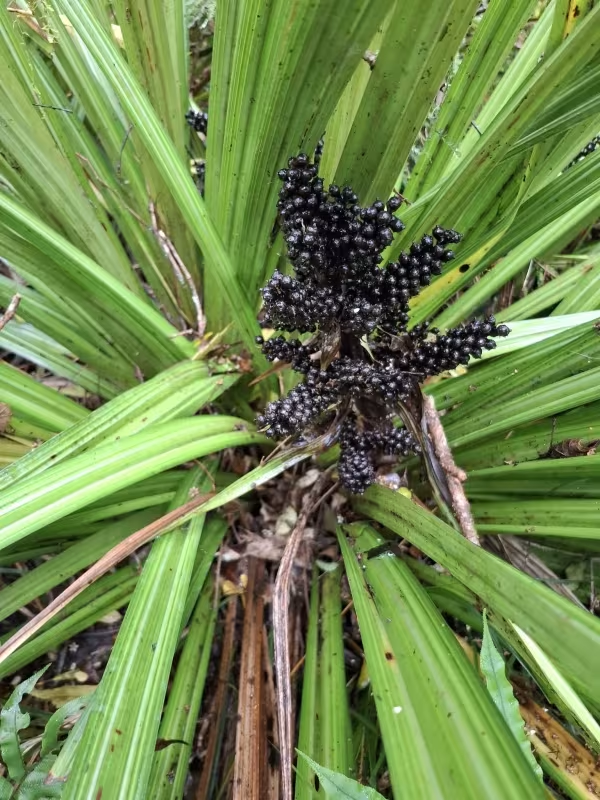
Description
Growing requirements
Astelia fragrans belongs to the Asteliaceae family and is native to New Zealand. This evergreen perennial is widely recognized for its striking, sword-shaped leaves that grow in a dense, clump-forming rosette.
The botanical characteristics include long, leathery leaves which may display a silvery or bronze tint. These plants are well-adapted to native forest floors, growing as epiphytes or lithophytes in their natural habitat.
Successful cultivation requires soil that is rich in organic matter and provides excellent drainage. The species prefers partial shade, as intense direct sun can cause damage to the sensitive leaf structures.
Climate requirements involve moderate temperatures and consistent moisture levels. While the plant can tolerate short periods of dryness, it performs best in regions with high humidity and stable, frost-free weather conditions.
In terms of agricultural and horticultural use, Astelia fragrans is primarily utilized as a high-value ornamental plant. It is widely valued by landscape architects for its sculptural form and year-round visual interest.
Main diseases and pests
The most significant threat to this culture is root rot, typically caused by waterlogged soil conditions. Proper irrigation management is vital to maintain the health of the root system and prevent fungal outbreaks.
Pests such as mealybugs and scale insects represent common risks. These pests often congregate at the base of the leaves, making chemical or physical control measures necessary for plant protection.
Spider mites are another common issue, especially in greenhouse environments or areas with low humidity. Regular misting and maintenance of airflow help to mitigate the risk of mite infestations.
Environmental stress, such as extreme heat or cold fluctuations, can result in leaf browning and loss of vigor. It is crucial to monitor the environmental parameters to ensure optimal plant health.
Sanitation is a key component of disease management. Removing decaying foliage from the center of the rosette prevents the accumulation of moisture and debris, which often serves as a breeding ground for pests.