
Astelia neocaledonica
Astelia neocaledonica
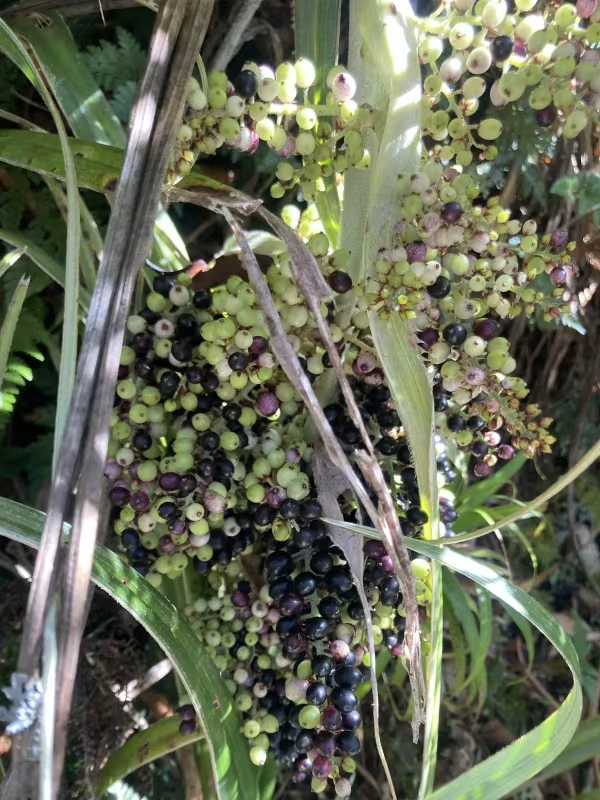
Description
Growing requirements
Astelia neocaledonica is a perennial herbaceous plant belonging to the Asteliaceae family. It is endemic to New Caledonia, where it has evolved to thrive in specific, nutrient-poor ultramafic soils characterized by their unique mineral composition.
The plant is distinguished by its basal rosette of long, strap-shaped leaves. These leaves are covered with fine, silver-colored scales, a specialized adaptation that protects the plant from high levels of solar radiation and desiccation in its native habitat.
Cultivating this species requires a growing medium that mimics its natural environment. A high-quality, well-draining substrate is mandatory, as the root system is highly intolerant of waterlogging and stagnant moisture which often leads to rapid decay.
The ideal climatic conditions for Astelia include bright, indirect light and stable, moderate temperatures. Unlike many tropical plants, it does not require high humidity levels, though it benefits from good air circulation to prevent the development of fungal pathogens.
In ornamental horticulture, Astelia neocaledonica is prized for its structural form and metallic foliage. It is frequently used in specialty rock gardens or container collections, where its unique architectural silhouette can serve as a focal point among other drought-tolerant species.
Main diseases and pests
The most significant threat to the health of this plant is root rot caused by improper watering practices or heavy, non-porous soil media. Once the root system is compromised, recovery is difficult, making preventative drainage management essential for longevity.
Pest issues are generally limited to common greenhouse pests such as scale insects or mealybugs that congregate in the tight leaf bases. Regular monitoring and physical removal of these pests are the most effective management strategies for maintaining plant vitality.