
Nodding Blue Lily
Stypandra glauca
Description
Growing requirements
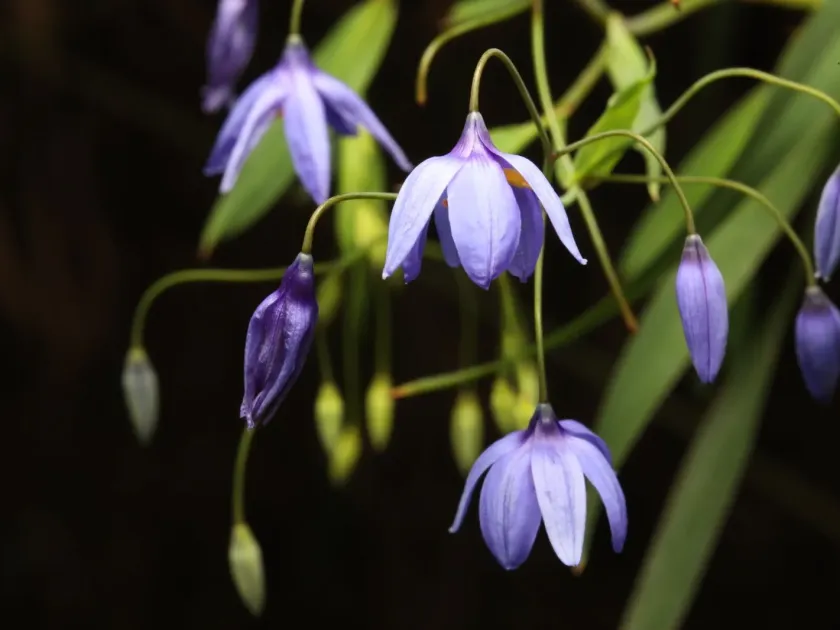
Stypandra glauca, commonly known as the Nodding Blue Lily, is a perennial herbaceous plant belonging to the Asphodelaceae family. Native to Australia, it is widely recognized for its striking glaucous-blue foliage and nodding blue flowers.
The plant thrives in well-drained, sandy, or rocky soils, which are essential for maintaining its health. It is highly intolerant of waterlogged conditions, making proper soil drainage a top priority for any grower or landscaper.
In terms of climate requirements, the Nodding Blue Lily prefers full sun exposure to maintain its distinct blue foliage color and stimulate prolific flowering. While it is hardy in many Australian regions, it requires protection in frost-prone environments.
Agronomic management of this species is relatively straightforward. It requires minimal fertilization, as it is adapted to nutrient-poor soils. Excessive feeding often leads to loss of its characteristic coloration and weaker plant structure.
Landscape applications include planting in rock gardens, borders, and as an accent plant in xeriscapes. Its ability to tolerate dry spells once established makes it an excellent choice for low-maintenance gardening projects.
Main diseases and pests
Root rot is the most common threat to Stypandra glauca, usually triggered by poor drainage or excessive irrigation during the colder months. Establishing a gravel mulch layer can help prevent base rot.
Pest issues are generally minimal, although mealybugs or aphids may occasionally appear in greenhouse conditions. Monitoring for these pests during early growth stages is highly recommended.
Fungal leaf spots can occur if the plant is grown in areas with high humidity and poor air circulation. Providing adequate spacing between individual plants is crucial to ensure good airflow.
The plant is sensitive to frost damage, which can cause foliage to turn brown and die back. In colder regions, containers should be moved indoors to ensure the plant survives the winter period.
In cases of infestation, systemic insecticides should be used carefully, as the plant's delicate tissues can be sensitive to harsh chemicals. Always prioritize organic alternatives where possible.