
Blue lace flower
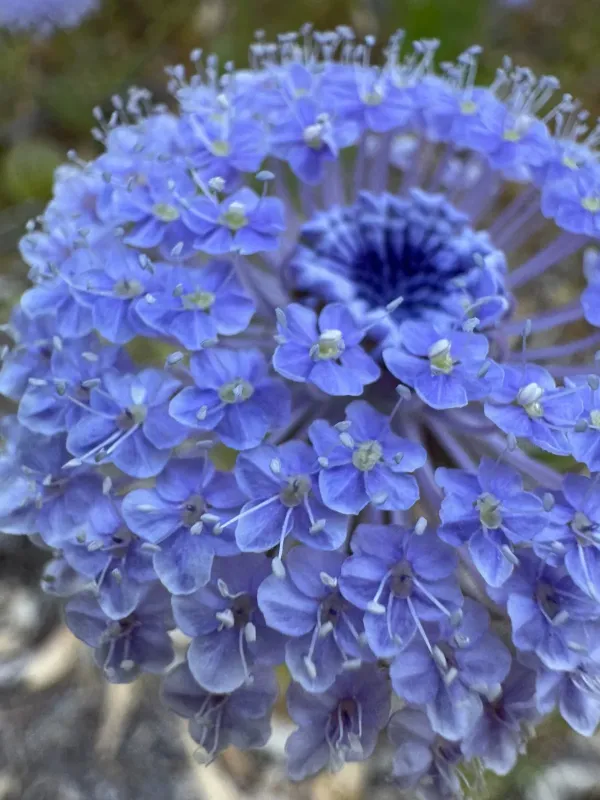
Trachymene coerulea Graham
Description
Sowing dates
Blue lace flower (Trachymene coerulea) is a heat-loving annual that requires careful handling during the initial sowing stage. Seeds should be sown indoors in late winter or early spring, using a well-draining, sterile potting mix.
To ensure successful germination, the temperature must be maintained consistently between 20–22 degrees Celsius. The seeds require sufficient light to germinate, so they should be only lightly covered with soil or vermiculite.
Transplanting is a critical period for this species, as it has a fragile root system that does not tolerate disturbance well. It is highly recommended to start seeds in peat pots to facilitate easy transplanting into the garden.
In regions with mild climates, direct sowing can be performed once the soil temperature has reliably warmed up. Late May is typically the optimal window for outdoor sowing in temperate zones.
Spacing is essential for the healthy development of the plants. Allowing 20–30 centimeters between each plant ensures adequate airflow, which is necessary to prevent the development of fungal pathogens.
Growing requirements
Native to Western Australia, this member of the Apiaceae family thrives in conditions that mimic its natural habitat. It prefers full sun exposure and well-draining, slightly acidic to neutral soils.
Full sun is non-negotiable for producing the characteristic vibrant blue umbels. Inadequate light results in spindly stems that cannot support the weight of the flower heads, leading to lodging.
Soil structure should be loose and aerated. Heavy, clay-based soils that retain too much moisture are unsuitable and will likely cause root rot, the primary killer of this ornamental crop.
Watering practices should be precise; the soil should be kept moist but never waterlogged. It is best to water at the base of the plant to avoid wetting the foliage and flowers, which reduces the risk of disease.
Fertilization should be handled with caution. A balanced, low-nitrogen fertilizer applied sparingly will promote floral production rather than excessive vegetative growth, which is detrimental to the display.
Main diseases and pests
The most significant threat to blue lace flower is fungal infections, primarily damping-off and root rot, caused by poor soil drainage or excessive humidity. Proactive sanitation is the best defense.
Powdery mildew can become an issue if plants are crowded or if humidity levels remain high for extended periods. Ensuring good spacing is the primary cultural control method for this disease.
Pests such as aphids and spider mites can infest the foliage, particularly during the early stages of plant growth. Regular scouting is required to catch and treat these infestations before they reach damaging levels.
Integrated Pest Management (IPM) techniques, including the use of neem oil or targeted insecticides, can be effective. Always apply treatments during early morning or late evening to protect beneficial insects.
The health of the crop depends on a sterile growing environment. By maintaining clean tools and utilizing high-quality, pathogen-free growing media, growers can mitigate most of the inherent risks.
Harvesting
The main commercial and horticultural value of the blue lace flower lies in its utility as a cut flower. Harvest should take place when the umbels are approximately 50% open to ensure a long vase life.
Proper harvest technique involves using clean, sharp shears to make a diagonal cut on the stems. Placing the flowers immediately into clean water with a floral preservative helps extend their beauty.
For seed production, the flower heads must be left on the plant until they are fully matured and dry. Once the seeds start to darken, the heads can be collected and placed in paper bags to finish drying.
Seeds should be stored in a cool, dry, and dark environment to maintain viability. With correct storage conditions, the seeds will remain viable for several planting seasons.
The species is also increasingly popular for dried flower arrangements. By hanging the nearly fully opened flowers upside down in a dark, airy room, the blue color can be preserved for creative decorative projects.