
Astropanax volkensii
Astropanax volkensii
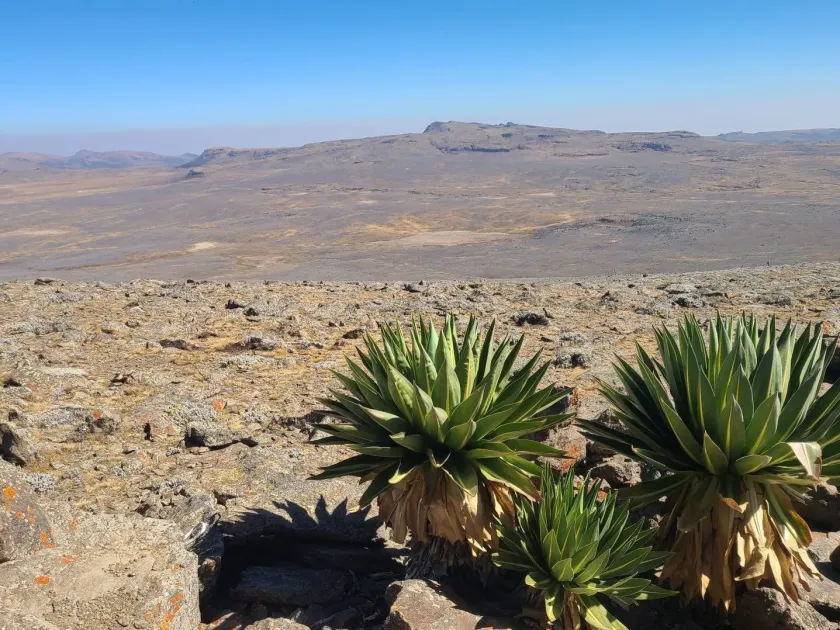
Description
Growing requirements
Astropanax volkensii is an evergreen tree or shrub belonging to the Araliaceae family. Native to the high-altitude mountain forests of East Africa, this species is a vital component of the Afro-montane vegetation zones where it thrives in specific ecological niches.
The plant requires a cool and humid climate, typical of its native mountainous environment. It is sensitive to extreme temperature fluctuations and prefers stable conditions with consistent moisture levels throughout the year to maintain healthy vegetative growth.
Regarding soil requirements, Astropanax volkensii performs best in well-drained, nutrient-rich soils with high organic matter content. Good drainage is essential, as the roots are susceptible to rot when subjected to waterlogged conditions for extended periods.
Botanically, the species is distinguished by its intricate foliage and unique inflorescences, which serve as a food source for local fauna. The structural growth of the tree is moderate, contributing to the architectural complexity of the forest canopy in its natural range.
In terms of хозяйственное (economic) use, the plant is primarily valued for its role in biodiversity conservation and forest restoration efforts. It is rarely cultivated on a large commercial scale but serves as a focal point for ecological research and conservation initiatives in Eastern Africa.
Main diseases and pests
Fungal pathogens represent the most significant threat to the health of the plant, often proliferating in conditions of excessive humidity and poor air circulation. Symptoms often manifest as leaf spots or the decline of younger, weaker branches.
Insects, particularly aphids and various sap-sucking pests, can infest the plant under nursery conditions or in sheltered locations. Integrated pest management, including monitoring and biological control, is necessary to mitigate these issues without disrupting the local ecosystem.
Climate change poses a long-term threat to the species, as rising temperatures and altered precipitation patterns shrink the suitable high-altitude habitats. Conservation status is of concern, and protected cultivation in arboretums is essential for the species' survival.
Weed competition during the seedling stage can significantly retard growth, requiring manual intervention and weed control. Removing competing vegetation ensures that the young plants receive adequate nutrients and light for their establishment.
Human impact, including forest encroachment and habitat loss, remains a persistent challenge for the stability of Astropanax volkensii populations. Sustainable management practices are required to protect existing stands and ensure the regeneration of this unique African species.