
American ginseng
Panax quinquefolius
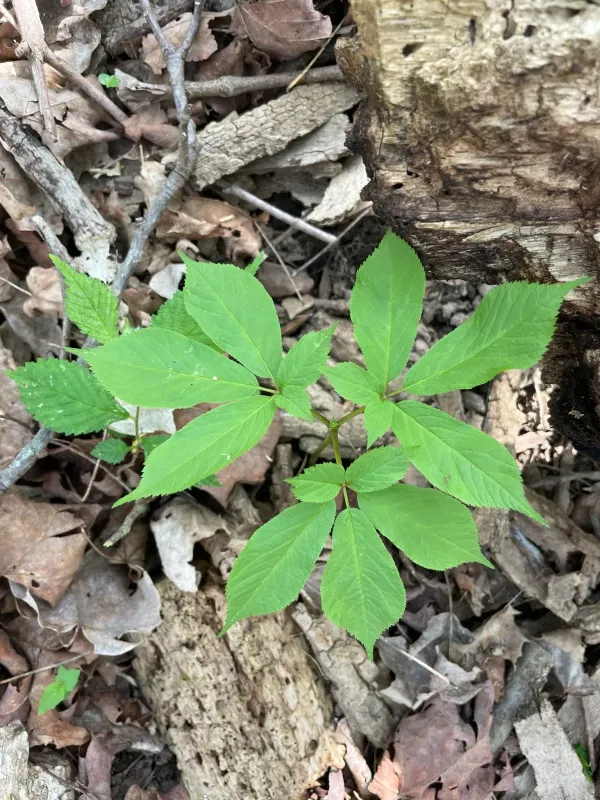
Description
Sowing dates
American ginseng seeds have a natural dormancy period, making autumn sowing the preferred method. Seeds should be planted immediately after harvesting to undergo cold stratification, which is essential for germination in the spring.
In large-scale commercial farming, seeds are often artificially stratified in a controlled environment for 6 to 8 months. This process mimics the winter cycle and ensures a higher percentage of germination.
Seeds are sown 2–3 cm deep into well-prepared garden beds. These beds must be located in areas that provide natural or artificial shade to protect the developing plants from direct exposure to the sun.
Planting density is crucial for the health of the crop. A spacing of 15x15 cm or 20x20 cm is recommended to allow the root systems enough space to expand without competing for nutrients in the soil.
The planting substrate should be free of fresh manure and properly disinfected to prevent soil-borne pathogens. Maintaining consistent moisture levels without waterlogging is vital for young seedlings.
Growing requirements
Panax quinquefolius, a member of the Araliaceae family, is a shade-loving herbaceous perennial native to North American hardwood forests. It requires 70–80% shade to mimic its natural environment.
The ideal soil type is a loose, well-drained loamy soil rich in organic matter, with a pH range of 5.0 to 6.0. Proper drainage is essential to prevent root rot, which is the most common cause of crop failure.
The climate must feature a temperate environment with a distinct cold season. Ginseng requires a period of dormancy in winter to reset its metabolic processes and grow properly in the following season.
Applying a layer of organic leaf mulch is a standard practice in ginseng farming. This mulch insulates the soil, retains moisture, and provides a gradual release of nutrients as it decomposes over time.
Artificial shade structures (shade cloths) are mandatory in open-field settings. Without this protection, the leaves of the American ginseng plant are highly susceptible to heat and light-induced stress.
Yield
Growing American ginseng is a long-term commitment that typically requires 5 to 7 years to reach maturity. Harvesting too early results in low concentrations of ginsenosides, the active compounds that make the crop valuable.
Yields vary depending on site quality and management intensity. On average, a well-managed ginseng farm can produce between 1.5 and 2.5 metric tons of dry root per hectare after the 6th year of growth.
Market value is heavily dependent on the age and appearance of the root. Older roots are significantly more valuable, making the financial return proportional to the time invested in the crop's development.
Post-harvest, the roots lose about 70% of their weight during the drying process. This significant reduction must be calculated when planning for logistics, storage space, and final sales volume.
Despite the high market demand and profitability, the crop's slow growth cycle and high labor requirements necessitate a strategic approach to farm management and financial planning.
Main diseases and pests
Fungal infections, such as Phytophthora root rot and Alternaria leaf blight, are the most significant threats to ginseng. These diseases flourish in humid environments with poor airflow under shade covers.
Soil-dwelling pests like wireworms and nematodes can damage the roots. This physical damage often provides entry points for bacteria, which can decimate an entire bed of ginseng if left unmanaged.
Gray mold (Botrytis) frequently occurs during wet seasons. Farmers must implement integrated pest management strategies, including preventive fungicide applications and regular monitoring for early symptoms.
Rodents, including voles and mice, can destroy entire sections of a plantation during the winter months. Protective fencing and trapping are necessary to minimize losses during the dormant season.
- Root rot (Rhizoctonia)
- Leaf blight (Alternaria)
- Nematodes
- Slugs and snails
Harvesting
Harvesting is conducted in the autumn, usually between late September and October, once the above-ground parts of the plant turn yellow and begin to die back, signaling energy translocation to the root.
Roots are excavated carefully by hand or using specialized gentle digging equipment. Preservation of the root's intact structure is paramount, as breakage significantly downgrades the product's quality.
Cleaning involves delicate washing with low-pressure water to remove soil. Harsh scrubbing or the use of metallic tools must be avoided to keep the root's outer skin, or "bark," in pristine condition.
Drying must take place at low, controlled temperatures (below 45°C) in well-ventilated areas. Rapid drying at high heat will destroy the medicinal compounds and reduce the product's overall pharmacological value.
Final processing includes grading the roots by weight, shape, and size. They are then packed in moisture-resistant containers for market distribution to ensure long-term stability and shelf life.